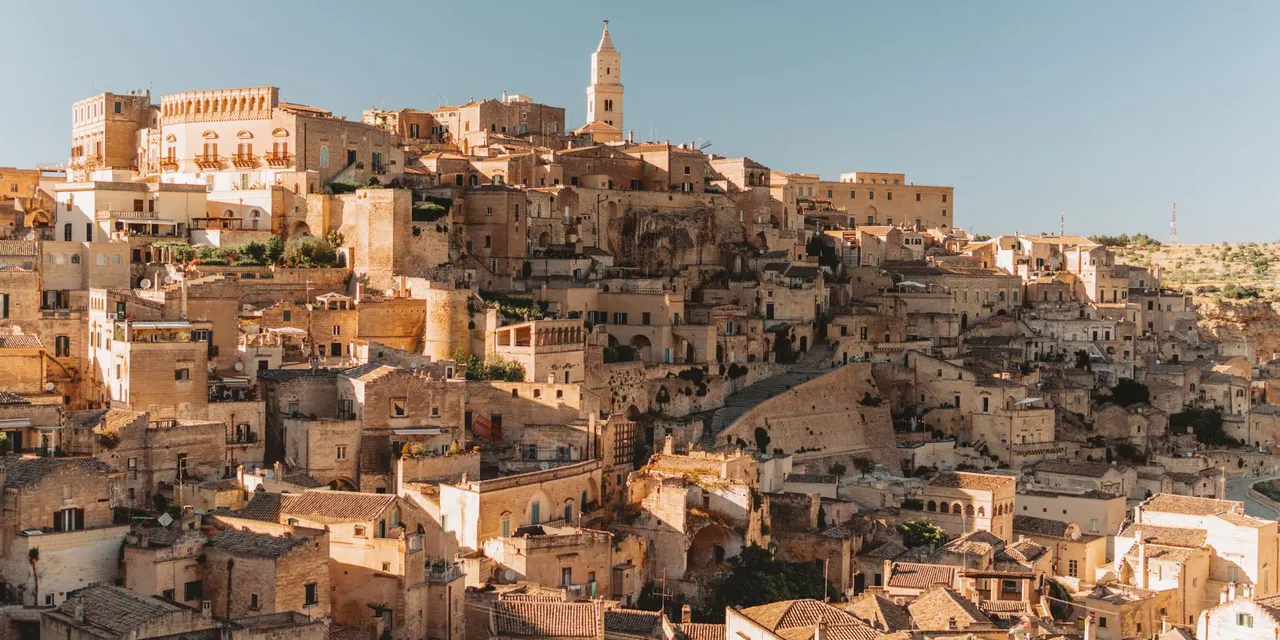
Diabetes in Italy: Insulin Cold Chain, AIFA Rules and Summer Heat
Italy's AIFA import rules means diabetes travellers must plan properly. Know the storage steps, local brand names, and emergency numbers before you fly.
Diabetes in Italy: what changes when you travel
Italy's summer temperatures regularly exceed 35°C in cities such as Rome, Florence, and Naples, threatening insulin and GLP-1 analogue potency within hours if left unrefrigerated. The Italian Medicines Agency (AIFA) governs what you can bring into the country[3], and the Servizio Sanitario Nazionale (SSN) provides emergency care on a reciprocal basis to EU/EEA travellers with an EHIC, while non-EU travellers pay full costs at private clinics.
This guide covers medication import rules, local brand names for common diabetes medications, cold-chain management, endocrinologist access, and emergency communication in Italian. Save your International Patient Summary on Nomedic before departure so any clinician in Italy can read your full medication list offline.
Medical disclaimer: This guide is for informational purposes only and does not constitute medical advice. Always consult your specialist before travelling, particularly regarding changes to your treatment schedule and travel insurance.
Key risks for diabetes travellers in Italy
Insulin degradation in summer heat
Opened insulin kept above 30°C loses potency faster than the standard 28-day room-temperature tolerance window[7]. Carry an insulated cooling case and request hotel refrigeration on arrival; never leave insulin in a parked car.
Foreign prescriptions not accepted at Italian pharmacies
Italian pharmacies (farmacie) require an Italian prescription (ricetta) to dispense prescription-only medications locally. Bring a full supply for your trip plus a doctor's letter listing your medications by INN (international nonproprietary name).
Semaglutide and GLP-1 supply constraints
AIFA has documented recurrent shortages of semaglutide and liraglutide in Italy[5]. Carry your complete supply from home; do not rely on finding a replacement pen at an Italian pharmacy.
Limited EHIC coverage for prescription medications
Even EU/EEA travellers holding an EHIC must pay full price for most prescribed medicines in Italy[6]; reimbursement must be claimed from your home insurer on return. Travel insurance with medication replacement cover is essential.
Dehydration compounding glucose instability
Heat-related dehydration concentrates blood glucose and compounds hypoglycaemia risk during physical activity. Carry glucose tablets or fast-acting carbohydrates at all times, especially during walking tours and outdoor sightseeing.
Meal-timing disruption from Italian dining culture
Italian dinner is typically served from 8 pm onwards, later than most travellers are accustomed to. Adjust bolus or mealtime medication timing with your specialist before departure if a two-to-three hour delay in the evening meal will affect your routine.
Preparation checklist
- Confirm medication supply — Bring your full supply for the trip duration plus a 20% buffer; Italian pharmacies cannot dispense on foreign prescriptions.
- Get a doctor's letter in English and Italian — Listing every medication by INN and brand name, dosage, and your diagnosis. Required for customs if carrying more than a 30-day supply.
- Obtain a Schengen certificate if carrying controlled substances — Narcotics and psychotropics (not standard diabetes medications) require a certificate valid for up to 30 days for travel within Schengen.
- Book an endocrinologist (diabetologo) near your destination — Use Nomedic's provider search and save the address and phone number offline before you travel.
- Pack an insulated insulin cooling case — Essential from June to September when ambient temperatures in Italian cities can exceed 35°C.
- Set up your Nomedic IPS — Your International Patient Summary in Italian is readable by any clinician offline; generate the QR code before departure.
- Register your EHIC details in Nomedic — EU/EEA travellers: confirm your EHIC is valid and save the card details in the app.
- Check your CGM/pump supplies — Spare sensors, batteries, and infusion sets; Italian pharmacies stock limited device accessories.
- Pack fast-acting glucose — Glucose tablets or dextrose sachets for hypoglycaemia management during walking tours and travel delays.
- Save emergency numbers offline — Ambulance: 118; European emergency: 112. Store both in Nomedic before you leave.
Documents to carry when travelling to Italy with diabetes
Keep the following accessible on your phone and as a printed backup. Your Nomedic app stores items 1 and 6 automatically and makes them available offline.
Your International Patient Summary (IPS)
Your Nomedic IPS contains your diabetes diagnosis, current medications with INN names, allergies, and relevant comorbidities in a format readable by any Italian clinician without translation.
Generate a QR code in the app before departure. Any triage nurse or emergency physician at an Italian Pronto Soccorso can scan it instantly, removing the need to explain your condition verbally.
Full document checklist
Make sure the following are accessible on your phone and ready to share. Your Nomedic IPS covers items 1 and 6 automatically.
- ·Your Nomedic IPS Covers your diabetes diagnosis, medications, allergies, and functional status[10]. Available offline with QR code.
- ·
- ·Original prescriptions with INN names Keep medications in original packaging to match the prescription at customs[3].
- ·EHIC or equivalent insurance card EU/EEA travellers: verify the card is current[6]. Non-EU travellers: carry proof of private travel insurance.
- ·Travel insurance schedule Policy number and insurer's 24-hour line saved in your Nomedic profile.
- ·Italy emergency numbers Ambulance: 118. Pan-European emergency: 112[9]. Both saved offline in Nomedic.
Bringing your diabetes medications to Italy
Standard diabetes medications such as insulin, metformin, and SGLT-2 inhibitors are not controlled substances and can be brought into Italy for personal use up to a 90-day supply[1] without special import permission. Carry your medications in original packaging alongside a doctor's letter listing each drug by INN and brand name. If you are bringing more than 30 days' supply, customs may request a prescription or additional documentation[2], so carry both.
Do not post your medication to Italy.
Posting prescription medications into Italy requires AIFA authorisation and USMAF customs clearance. Packages without the correct documentation will be seized. Always carry your full supply in person in hand luggage.
Diabetes medications: brand names, INNs, and Italy availability
The table below lists common diabetes medications and the brand names available in Italy, verified against the AIFA medicines registry[4]. Italian pharmacists may substitute with a local generic; always confirm the INN matches.
Widely available in Italian farmacie. Prescription required.
Requires refrigeration at 2-8°C until opened; opened pen stable up to 28 days at room temperature below 30°C.
Rapid-acting; opened vial or pen stable up to 28 days at room temperature below 30°C.
Subject to recurrent supply shortages in Italy. Bring full supply. Wegovy not SSN-reimbursed for weight management; Ozempic reimbursed for eligible T2DM patients only.
Prescription only. Available in Italian retail pharmacies.
Prescription only. Available in Italian retail pharmacies.
Prescription only. Available in Italian retail pharmacies.
Carbonic anhydrase inhibitors and metformin interaction
Carbonic anhydrase inhibitors (including topiramate and acetazolamide) used alongside metformin or sitagliptin combinations can increase the risk of lactic acidosis and acute kidney injury. If you take either drug, inform any Italian clinician or pharmacist before accepting a new prescription. Your Nomedic IPS lists your full medication record for immediate reference.
Travelling with cold-chain medications
If you use insulin or a GLP-1 analogue that requires refrigeration, these steps apply regardless of where in Italy you are travelling.
Your medication list, ready to share.
Nomedic stores your medication name, INN, dosage, and frequency, readable by any clinician worldwide.
Healthcare and prescriptions in Italy
Italy's public health system, the Servizio Sanitario Nazionale (SSN), provides emergency care to all visitors. EU/EEA travellers holding a valid EHIC receive care under the same conditions as Italian residents[9], though they must pay full price for prescription medications at the farmacia and claim reimbursement at home.
Non-EU travellers pay full out-of-pocket costs; a private endocrinology consultation typically costs €80 to €200 (~$94 to $235)[6] at a private clinic. Italian pharmacies (farmacie) require a local Italian prescription (ricetta) to dispense prescription-only medications; foreign prescriptions are not accepted for in-country refills.
Insulin, metformin, and most oral diabetes medications are available at retail farmacie with an Italian prescription. GLP-1 analogues such as Ozempic and Rybelsus are subject to supply constraints; do not expect to replace a lost or damaged pen locally. Wegovy (semaglutide for weight management) is classified as Class C by AIFA and must be paid for entirely by the patient even with SSN access.
GLP-1 analogues are dispensed differently in Italy
For SSN-reimbursed GLP-1 medications, dispensing may occur through the ASL (Azienda Sanitaria Locale) pharmacy rather than a retail farmacia. For emergency supply, go to the nearest ASL office with your Nomedic IPS and specialist letter; a local diabetologo must issue an Italian prescription before any dispensing can occur.
Finding a diabetes specialist
Diabetes specialists in Italy are called diabetologi and practice within SSN hospital endocrinology and diabetology units (U.O. di Endocrinologia e Diabetologia) or at private clinics. Public hospital departments accept EHIC holders; use your EHIC / GHIC and book via the ASL for non-emergency care.
Private clinics accept walk-in or short-notice appointments and typically have English-speaking staff in major cities such as Milan, Rome, and Florence. Identify the nearest clinic before travel and save contact details offline.
Search for providers near your destination
Use Nomedic's provider search to find diabetes specialists in Italy. Save the address and phone number offline before you travel.
If your cold chain breaks in Italy
A temperature excursion does not automatically render your insulin or GLP-1 analogue unusable. Check your product leaflet for the specific post-excursion tolerance window for your brand. Signs of heat-damaged insulin include unexpected glucose rises that do not respond to normal correction and, in clear insulins, visible cloudiness or particles.
Managing summer heat and glucose stability day to day
Italian summers are intense: Rome and Florence regularly reach 35-38°C in July and August, and humidity in coastal areas such as Naples and Sicily can exceed 70%. Heat raises insulin absorption speed via vasodilation, increasing hypoglycaemia risk during physical activity.
Schedule outdoor sightseeing before 11 am or after 5 pm to avoid peak heat. Exploit the Italian midday riposo (roughly 1 pm to 4 pm) when most sites are quieter and shaded indoor areas are accessible. Most Italian churches, museums, and large pharmacies are air-conditioned and suitable for a rest stop.
Carry water at all times; Italian tabacchi and bars sell small bottled water inexpensively. Monitor glucose more frequently on high-activity days, and carry fast-acting glucose for hypoglycaemia management.
Hypoglycaemia symptoms can overlap with heat exhaustion
Lightheadedness, sweating, and confusion in the Italian summer heat can signal hypoglycaemia, heat exhaustion, or both simultaneously. Test your glucose first. If symptoms persist after treating a low, or if no glucose reading is possible, follow the guidance in the Emergency tab.
Italian phrases for clinicians
Show your Nomedic IPS first, it removes the need to explain your diagnosis verbally. If verbal communication is needed:
“Ho il diabete.”
I have diabetes.
“Ho un'ipoglicemia. Ho bisogno di zucchero subito.”
I am having a hypoglycaemic episode. I need sugar immediately.
“Ho bisogno di un diabetologo.”
I need a diabetes specialist.
“Prendo insulina per il mio diabete.”
I take insulin for my diabetes.
“Dov'è la farmacia più vicina?”
Where is the nearest pharmacy?
“Ho bisogno di una fornitura d'emergenza di insulina.”
I need an emergency supply of insulin.
Insurance considerations
What to know about travel insurance
Non-EU travellers pay full costs for all care in Italy, including emergency hospitalisation, which can reach several thousand euros. Even EU/EEA travellers with an EHIC pay full price for prescription medications at the pharmacy.
What to look for in a policy
Not just 'pre-existing conditions covered'. Your condition should be named on the policy schedule.
Covers repatriation to your home country if local care is insufficient.
Covers emergency replacement if your medication is lost, damaged, or exposed to heat.
So someone can communicate with Italian clinicians on your behalf.
What to declare at application
Declare thoroughly. Incomplete disclosure can invalidate your entire policy, not just the diabetes-related claim.
Type 1, Type 2, LADA, MODY, or gestational history all affect premium calculation and coverage terms.
Use the INN alongside the brand name for every medication.
Include any recent DKA, severe hypoglycaemia, or hospitalisation.
Declare neuropathy, nephropathy, retinopathy, cardiovascular disease, or any other documented complication.
Your policy number and emergency assistance line, saved alongside your IPS and accessible offline.
The EHIC entitles EU/EEA travellers to medically necessary care under the same conditions as Italian residents, including emergency treatment. However, prescription medication must be paid for in full at the pharmacy, and prescription charges are not reimbursed in Italy. A dedicated travel insurance policy with diabetes cover remains essential for medication replacement and evacuation costs.
Emergency protocol
Going to the Pronto Soccorso (emergency department)
A severe hypoglycaemic episode (confusion, unresponsiveness, or seizure) and a hyperglycaemic crisis (extreme thirst, vomiting, rapid breathing) both require immediate emergency care. Call 118 or go directly to the nearest Pronto Soccorso. Contact your travel insurer's assistance line as soon as it is safe to do so.
When you arrive, follow in order
Full clinical picture in seconds, no verbal explanation needed.
Hand your phone to the triage nurse:
Ho il diabete e ho bisogno di cure urgenti.
I have diabetes and I need urgent care.
Your Nomedic IPS lists every medication by INN; tap Share to display the QR code for the clinician to scan.
CGM readings or manual glucometer results help the triage team prioritise your care level.
Calls and location
Ambulance: 118. Pan-European emergency: 112. Give the street address and nearest landmark. The Pronto Soccorso is the emergency department at any public hospital (ospedale pubblico).
In hospital
Diabetes can slow wound healing and lower resistance to infection. Tell the attending clinician explicitly that you have diabetes before any wound closure or surgical procedure, so appropriate monitoring and antibiotic prophylaxis decisions can be made.
After any emergency
Before you leave the hospital if possible.
Required for insurer reimbursement and continuity of care on your return.
Open Nomedic and tap Share to generate a QR code any clinician can scan.
Frequently asked questions
Is diabetes medication legal in Italy?
Yes, standard diabetes medications including insulin, metformin, and SGLT-2 inhibitors are legal to bring into Italy for personal use, with a supply of up to 90 days permitted without special import permission. If you are carrying more than 30 days' supply, you should have both a prescription and a doctor's letter listing each drug by its INN and brand name, as customs may request this documentation.
Can I bring insulin into Italy without a special permit?
Insulin and standard diabetes medications are not controlled substances and can be brought into Italy for personal use up to a 90-day supply without a special import permit. Carry your medications in original packaging with a doctor's letter listing each drug by INN and brand name.
Do not post medication to Italy
Mailing prescription medications into Italy without prior AIFA and USMAF authorisation will result in customs seizure.
Is Ozempic (semaglutide) available at Italian pharmacies?
Ozempic (semaglutide) is approved in Italy and SSN-reimbursed for eligible Type 2 diabetes patients, but AIFA has documented recurrent supply shortages. Do not rely on finding a replacement pen at a retail farmacia. Bring your full supply from home, plus documentation in case border customs query the quantity.
What are the emergency numbers in Italy?
Ambulance (Pronto Soccorso)
118
Police
113
Pan-European emergency
112
How do I communicate my diabetes diagnosis in an Italian emergency department?
Show your Nomedic IPS first. If verbal communication is needed:
“Ho il diabete e ho bisogno di cure urgenti.”
I have diabetes and I need urgent care.
“Prendo insulina per il mio diabete.”
I take insulin for my diabetes.
Does the EHIC cover diabetes medication costs in Italy?
The EHIC / GHIC entitles EU/EEA travellers to medically necessary care in Italy, but prescription medication costs must be paid in full at the farmacia. Italian prescription charges are not reimbursed in Italy; you must claim reimbursement from your home insurer after returning. A travel insurance policy with medication replacement cover is strongly recommended in addition to the EHIC.
Non-EU travellers
Non-EU travellers pay full costs for all care in Italy, including emergency treatment. Private endocrinology consultations range from €80 to €200 (~$94 to $235). Comprehensive travel insurance with diabetes cover is essential.
How does Italian summer heat affect insulin storage?
Italian summer temperatures in major cities regularly exceed 35°C, which is above the safe room-temperature storage limit for opened insulin. Insulin potency degrades above 30°C, and heat-damaged insulin may look normal but fail to control glucose effectively.
Use an insulated cooling case
Evaporative cooling wallets such as FRIO maintain safe temperatures for several days without electricity. Store backup supply in your hotel refrigerator (2-8°C) and keep only the current pen at room temperature.
Sources
- [1] AIFA — Importare i farmaci (Importing medicines, Italian Medicines Agency)
- [2] INCB — Travellers carrying internationally controlled substances: Italy (2024)
- [3] The Local Italy — Rules on bringing medicines into Italy from abroad
- [4] AIFA — New medicines for type 2 diabetes and obesity: guide to responsible use
- [5] Mordor Intelligence — Italy oral antidiabetic drug market: semaglutide shortage
- [6] European Commission — Italy: European Health Insurance Card (EHIC) coverage rules
- [7] American Diabetes Association — Safe storage of insulin
- [8] AdaptHealth Diabetes — Managing diabetes in summer heat: CGM, pump, and insulin
- [9] Doctors in Italy — SSN and healthcare access for foreign visitors
- [10] HL7 International — International Patient Summary (IPS) standard
More guides in Italy
- CityRome Health Guide
- ConditionTravelling to Italy in a Wheelchair: Healthcare, Medications and Emergency Protocols
- ConditionADHD in Italy: Methylphenidate Rules, Ritalin and Pharmacy Access
- ConditionTravelling to Italy with Multiple Sclerosis: Medications, Insurance and Emergency Care
- MedicationMelatonin in Italy: Import Rules, Brands and Pharmacy Access