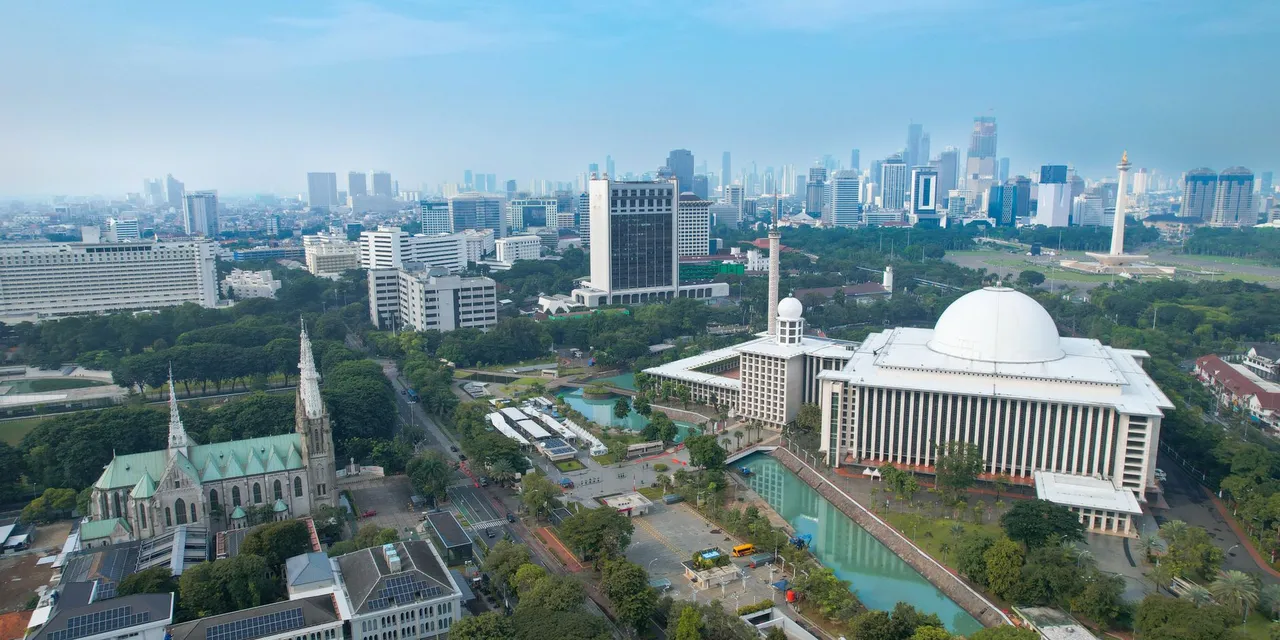
Healthcare in Jakarta
Jakarta offers some of Southeast Asia's best private healthcare, with six JCI-accredited hospitals and English-speaking services. Travellers should ensure their insurance covers medical evacuation for complex cases, and plan around the city's heavy traffic in an emergency.
Jakarta's healthcare landscape: what travellers need to know
Jakarta has six hospitals accredited by the Joint Commission International (JCI), the highest concentration of internationally certified facilities in Indonesia. Private hospitals in the SCBD, South Jakarta, and East Jakarta corridors are where travellers should head for most non-emergency care.[1]
The public system, run under the national insurance scheme Jaminan Kesehatan Nasional (JKN) and managed by BPJS Kesehatan, requires a rigid referral chain starting at a local clinic before you can see a specialist. Without JKN enrolment, wait times at public hospitals can stretch to weeks. Travellers on short stays will find private facilities faster and far less bureaucratic.[2]
For complex cases requiring advanced imaging or subspecialty surgery, medical evacuation to Singapore remains common practice. Check that your travel insurance includes medical evacuation cover before you arrive.[3]
Medical disclaimer: This guide is for informational purposes only and does not constitute medical advice. Regulations, costs, and drug availability change frequently. Always consult your treating physician or specialist before travelling, and verify current rules with the relevant Indonesian authorities, including the Badan Pengawas Obat dan Makanan (BPOM), before importing or purchasing medication.
Finding a doctor and navigating the hospital system
The four private hospital networks best positioned for international patients are RS Premier Jatinegara, the Pondok Indah Hospital Group, Siloam Hospitals, and Mayapada Hospital. All maintain English-speaking staff, 24-hour emergency departments, and on-site pharmacies.[4]
Key hospitals for travellers
RS Premier Jatinegara (East Jakarta, +62 21 2800888) is JCI-accredited and voted Best Hospital of the Year in Indonesia for 2021, 2022, and 2023. It has a dedicated International Patient Relations team and books appointments via WhatsApp at +62 8111637666.[5]
RS Pondok Indah (South Jakarta, +62 21 7657525) and its sister facility RSPI Puri Indah (West Jakarta) are both JCI-accredited. Pondok Indah houses J-Clinic, staffed by Japanese-speaking doctors, and uses fully paperless patient records.[6]
Siloam Hospitals operates multiple Jakarta branches, including MRCCC Semanggi (South Jakarta, +62 21 29962888), which specialises in oncology and has 24-hour emergency services. Book via WhatsApp at +62 081511500181.
SOS Medika Clinic operates clinics in Kuningan and Cipete (South Jakarta) with staff who speak English, Chinese, Japanese, and Dutch. It is part of International SOS's global network and can coordinate medical evacuation directly.
How to book an appointment
Traffic and getting to hospital
Jakarta's average city-centre speed at peak hours is 15.5 km/h, with drivers losing an average of 125 hours per year to rush-hour congestion. For non-emergencies, book a Grab car rather than calling an ambulance. For genuine emergencies, dial 119 for the national ambulance service, but also call your target private hospital directly so they can dispatch their own vehicle, which typically navigates traffic faster.[7]
Typical costs and payment expectations
Private healthcare in Jakarta is affordable by international standards, but costs are rising. A GP consultation at a private clinic runs IDR 175,000 to 350,000 (~$10 to $20 / ~€9 to €18). A specialist consultation at hospitals such as Pondok Indah, Siloam, or Mayapada ranges from IDR 500,000 to 1,200,000 (~$28 to $68 / ~€26 to €63).[8]
An MRI scan at a private facility costs approximately IDR 5,600,000 (~$320 / ~€295). Dengue diagnostics, which are frequently needed by travellers, include an NS1 antigen test at roughly IDR 450,000 to 750,000 (~$26 to $43 / ~€24 to €39) on top of the consultation fee.
Most private hospitals require upfront payment or a deposit if you do not have international insurance. Registration fees at private hospitals typically add IDR 100,000 to 200,000 (~$6 to $11 / ~€5 to €10). Carry sufficient cash in IDR and a credit card as backup.[9]
Insurance and direct billing
Major international insurers have direct-billing agreements with RS Premier Jatinegara, Pondok Indah, and Siloam networks. Present your digital insurance card at reception before any treatment begins. If your insurer is not on the direct-billing list, you will pay upfront and claim on reimbursement.
For complex care that Jakarta private hospitals cannot resolve, evacuation to Singapore is the standard next step. Confirm that your policy covers evacuation before arrival; without it, a Singapore hospital admission from Jakarta can cost tens of thousands of dollars out of pocket.
Pharmacies (apotek) in Jakarta
The word for pharmacy in Indonesia is apotek. Look for a green cross sign. The main chains with English-capable staff and reliable stock are Kimia Farma, Guardian, Century Healthcare, Watsons, and Apotek K24. All carry prescription and over-the-counter medications, vitamins, and basic health products.[10]
Mall-based branches of Guardian, Century, and Watsons follow mall hours, typically 10 am to 10 pm. Apotek K24 operates all branches 24 hours a day, every day including public holidays, with locations across residential and commercial areas of Jakarta. K24 also offers online ordering and home delivery via its K24Klik platform.[11]
BPOM, Indonesia's national drug regulator, uses a colour-coded circle system on packaging: a green circle means freely available over-the-counter (Obat Bebas); blue circle means limited OTC with usage warnings (Obat Bebas Terbatas); a red circle with 'K' means prescription-only (Obat Keras); and a red circle with 'N' marks a narcotic (Obat Narkotika). As of December 2023, QR codes are mandatory on OTC drugs, supplements, and traditional medicines, allowing you to verify product legitimacy before purchasing. Only use platforms that display a valid BPOM licence for online orders.[12]
Practical tips for getting care in Jakarta
Dengue is the primary health risk in Jakarta
Jakarta's rainy season runs from November to March, but the Jakarta provincial government has confirmed dengue surges occur even outside this window. Aedes mosquitoes are most active in early morning and late afternoon. Use a DEET-based repellent during those windows and cover arms and legs. If you develop a sudden high fever, severe headache, or pain behind the eyes within 14 days of a mosquito-exposed period in Jakarta, seek a dengue NS1 antigen test immediately at any private hospital emergency department.[13]
Floodwater and leptospirosis risk
North Jakarta floods regularly from November to March. . Avoid wading through standing water; the bacteria enter through skin cuts or mucous membranes. Central and South Jakarta (Sudirman, SCBD, Kemang) are substantially less flood-prone.[14]
Air quality and smoke haze
Jakarta's vehicle pollution is a persistent issue. Seasonal smoke haze from burning in Sumatra and Kalimantan is common from June to October. Check the Air Quality Index (AQI) via IQAir's Jakarta page on high-pollution days. If the AQI exceeds 150, wear an N95-grade mask outdoors.[15]
Communicating about medications
English proficiency among pharmacy staff is variable outside the major international chains. Write the generic (INN) name of your medication on paper and show it directly to the pharmacist. Many international brand names are sold in Indonesia under different names; the pharmacist can cross-reference using the MIMS Indonesia directory.
Certain medications are tightly restricted in Indonesia under BPOM rules. ADHD stimulants such as methylphenidate are classified as Group II psychotropics, requiring a BPOM import permit and a doctor's letter. Amphetamine-based ADHD drugs are banned outright as a Category I narcotic. If you travel with a controlled substance, read the ADHD medications in Indonesia guide before you fly.
Carry your medical records
Electronic health record integration between Jakarta facilities is limited. Doctors at each new hospital will ask for your history from scratch. Storing a current International Patient Summary on Nomedic lets you share a structured, translated record instantly from your Nomedic profile without relying on paper notes or foreign-language documents.
Health tips
Common visitor health risks in Jakarta
Emergency
Emergency number: 118
Useful links
- BPOM, Indonesia National Drug Regulatory Authority
- RS Premier Jatinegara, international hospital, WhatsApp booking
- Siloam Hospitals, hospital group with multiple Jakarta branches
- Pondok Indah Hospital Group, JCI-accredited, South and West Jakarta
- Halodoc, telemedicine app for Indonesia (online consultations and pharmacy delivery)
- Apotek K24, 24-hour pharmacy chain across Jakarta
Sources
- [1] International Insurance — Best Hospitals in Indonesia for Expats and Visitors
- [2] Social Expat — Navigating Indonesia's Healthcare System: A Guide for Expats
- [3] Travel Expat Guide — Indonesia Healthcare System Rated 56/100: Expat Guide 2024
- [4] Jakarta Globe — Where to Go If You Get Sick in Indonesia: Top Hospitals for Foreigners
- [5] Pacific Prime — Best Hospitals in Indonesia for Expats and Visitors in 2026
- [6] Timedoor — Top Hospitals in Jakarta, Surabaya and Bali: An Expat Medical Guide
- [7] ISJ — Cost of Living in Jakarta: What Expats Should Budget (TomTom Traffic Index 2025)
- [8] ISJ — Cost of Living in Jakarta: Private clinic and specialist consultation fees
- [9] Alea.care — Health Insurance Cost Guide Indonesia 2026
- [10] Arrival Guides — Pharmacies in Jakarta
- [11] Noble Asia — Pharmacies in Jakarta: Where Expats Can Find the Best Medicine in 2026
- [12] Expat Focus — Indonesia: Prescriptions and Medications (BPOM QR code requirement)
- [13] Backindo — Dengue Fever in Indonesia: Tips for Safe Travel
- [14] Smartraveller (Australian Government) — Indonesia Travel Advice and Safety
- [15] Government of Canada — Travel Advice and Advisories for Indonesia
More cities in Indonesia
Health guides for Indonesia
- ConditionAsthma in Indonesia: Air Quality, Haze Season and Inhaler Access
- ConditionTravelling to Indonesia with Diabetes: Medications, Healthcare and Emergency Protocols
- ConditionTravelling to Indonesia with Celiac Disease: Medications, Healthcare and Gluten Safety
- ConditionFibromyalgia in Indonesia: Heat, Humidity and Medication Import Rules
- ConditionHypertension in Indonesia: Heat, Humidity and Medication Import Rules
- ConditionBali Belly in Indonesia: What It Is, How Long It Lasts, and When to See a Doctor
- ConditionTravelling to Indonesia with ADHD: Medications, Customs Rules and Healthcare
- MedicationMethylphenidate in Indonesia: BPOM Permit, Prohiper and Import Rules
- MedicationLisdexamfetamine in Indonesia: Legal Risk, Import Rules and Alternatives
- MedicationAdderall in Indonesia: Category I Narcotic Ban, ADHD Plan
- MedicationAtomoxetine in Indonesia: BPOM Rules, Xenocy and Import
- MedicationBenzodiazepines in Indonesia: Controls, Brands and Import Rules
- MedicationConcerta in Indonesia: BPOM Status, Supply and Prescribers
- MedicationDexamfetamine in Indonesia: BPOM Rules and Import Ban
- MedicationDiazepam in Indonesia: Controls, Import Rules and Brands
- MedicationGuanfacine in Indonesia: Import Rules, Brands and Pharmacy Access
- MedicationInsulin in Indonesia: Import Rules, Brands and Cold Chain
- MedicationMelatonin in Indonesia: BPOM Rules, Brands and Pharmacy Access
- MedicationRitalin in Indonesia: BPOM Controls, Supply and Prescribers
- MedicationSSRIs in Indonesia: Prescription Rules, Brands and Pharmacy Access