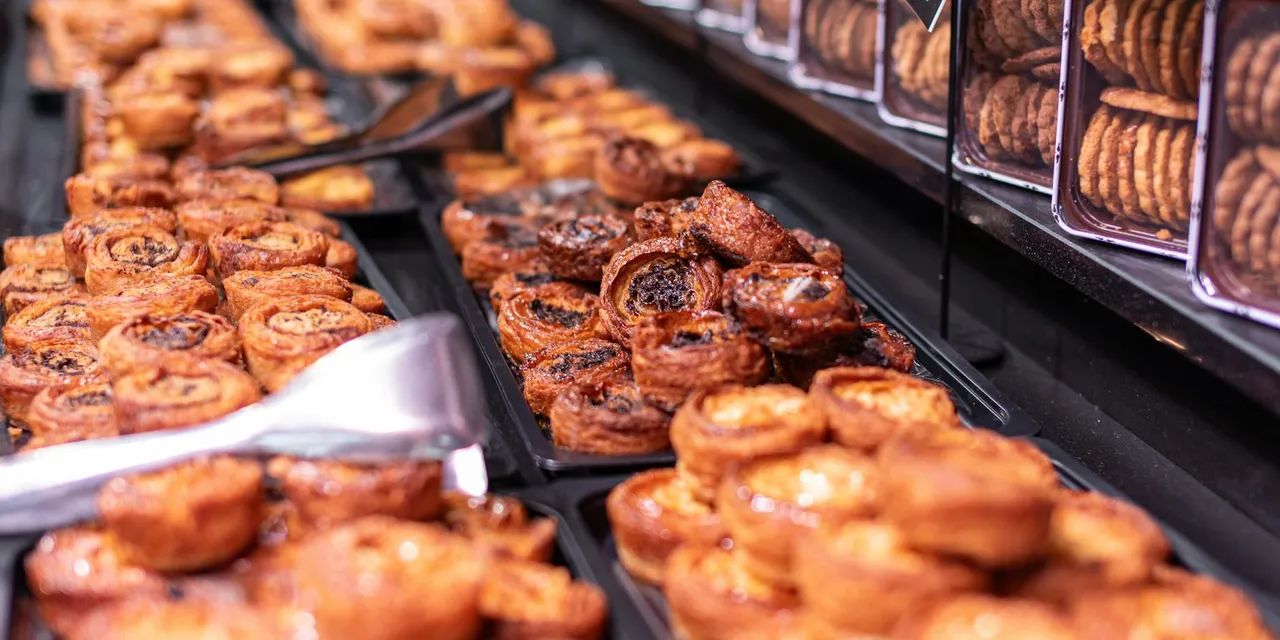
Food Allergies in France: Anaphylaxis Rules, EpiPen Access and EU Labelling
France enforces EU allergen labelling in restaurants and pharmacies stock epinephrine auto-injectors, but prescription rules and hidden allergens require careful preparation.
Food allergies in France: what changes when you travel
France enforces EU Regulation 1169/2011, which requires written allergen disclosure for 14 allergens in both packaged foods and restaurant dishes[5]. Despite this legal framework, cross-contact risk in French culinary culture, particularly in boulangeries, charcuteries, and traditional brasseries[2], remains a practical concern. Epinephrine auto-injectors[6] are stocked in French pharmacies but require a local prescription[1].[3]
This guide covers medication import rules, how to replace an auto-injector locally, EU allergen labelling in practice, emergency communication in French, and how your Nomedic International Patient Summary (IPS) helps clinicians treat you without a language barrier.
Medical disclaimer: This guide is for informational purposes only and does not constitute medical advice. Always consult your specialist before travelling, particularly regarding changes to your treatment schedule and travel insurance.
Key risks for food allergy travellers in France
Prescription required for epinephrine auto-injectors
Epinephrine auto-injectors (EpiPen, Jext) are available in French pharmacies but classified as prescription-only medications throughout Europe. Bring your full supply and carry your original prescription or a specialist letter to request a replacement locally.
Foreign prescriptions not accepted by French pharmacies
Prescriptions issued outside the EU or Schengen Area are not valid in France. If you need a replacement device, you will require a consultation with a French GP (medecin generaliste) or emergency physician to obtain a local prescription to fill in France[1]. EU/EEA travellers can use their EHIC card to reduce the cost of this consultation.
Hidden allergens in traditional French cuisine
Classic French sauces including bechamel (milk, flour, butter), hollandaise (egg, butter, mustard), and aioli (eggs) regularly contain multiple allergens. Always confirm ingredients verbally with kitchen staff even when a menu lists allergen information.
Precautionary labelling overuse and incomplete disclosure
A 2016 French consumer watchdog audit found that 60% of surveyed businesses used precautionary "may contain traces of" labels across food products[2]. European regulations also do not set a minimum threshold for allergen quantity triggering a precautionary label, so such warnings vary widely in reliability.
Allergen labelling exemptions at informal food events
French law exempts charity sales, local fairs, and soup kitchens from the mandatory written allergen disclosure rules under current regulations[3]. Exercise extra caution at outdoor markets and community food events where staff may not know the ingredient composition of dishes.
Preparation checklist
- Confirm your epinephrine auto-injector supply — Carry at minimum two devices in your hand luggage for the full duration of your trip. Check expiry dates before you fly.
- Obtain a specialist letter in English and French — Your allergist should document your allergens, confirmed history of anaphylaxis, and the devices you carry. French pharmacists and emergency clinicians will request this.
- Carry your original prescriptions with INN names — 'Epinephrine auto-injector' is the INN; include brand name alongside it. If written in a language other than English or French, carry a certified translation.
- Create your Nomedic IPS before departure — Your IPS encodes your allergen profile, medications, and emergency contacts in a format readable offline and shareable via QR code. Find providers near your destination — Search allergists (allergologues) and emergency facilities in France using Nomedic before you fly and save details offline.
- Research French allergen vocabulary — Learn the French names for your specific allergens (e.g. arachides = peanuts, lait = milk, oeufs = eggs, gluten, fruits a coque = tree nuts). Save a translated allergen card on your phone.
- Pack oral antihistamines and corticosteroids — Cetirizine (marketed as Zyrtec, Reactine, or generics) is available OTC in French pharmacies, but bring your own supply to ensure continuity of your usual brand.
- Check your cold storage needs — Standard epinephrine auto-injectors should be stored at room temperature (15-25°C) and kept away from direct sunlight and heat. Do not refrigerate.
- Notify accommodation in advance — Inform hotels and self-catering hosts about your allergens so they can advise on local supermarket options and restaurant proximity.
- Save emergency numbers offline — SAMU (ambulance): 15. Police: 17. Fire: 18. Pan-European emergency: 112. Save all four in your Nomedic profile for offline access.
- Review your insurance policy before departure — Confirm anaphylaxis is explicitly covered and that epinephrine replacement is included. Store your policy number in Nomedic.
Documents to carry when travelling to France with food allergies
French pharmacists and emergency clinicians will ask to see documentation before dispensing an epinephrine auto-injector replacement[1]. Store all documents in the Nomedic app for offline access.
Your International Patient Summary (IPS)
Your Nomedic IPS encodes your confirmed allergens, current medications (including INN and brand names), emergency contacts, and insurance details. It is accessible offline and generates a QR code any clinician or pharmacist can scan without requiring a verbal explanation.
In France, where your home prescription carries no legal weight, your IPS serves as the clinical bridge: it gives the consulting GP the exact information needed to issue a valid local prescription for epinephrine in the shortest possible time.
Full document checklist
Keep the following accessible on your phone and ready to share. Your Nomedic IPS covers items 1 and 6 automatically.
- ·Your Nomedic IPS Covers your confirmed allergens, medications (epinephrine INN + brand), emergency contacts, and insurance details. Offline and QR-shareable.
- ·Allergist specialist letter Must state your confirmed allergens, history of anaphylaxis, and the specific auto-injector device and dose you carry. Provide copies in English and French if possible.
- ·Original prescriptions with INN names Use 'epinephrine' (INN) alongside 'EpiPen' or 'Jext'. Include the dose (0.3 mg adult / 0.15 mg paediatric) and your prescribing clinician's contact details[4].
- ·EHIC or GHIC card (EU/EEA and UK travellers) Entitles you to emergency treatment under the Assurance Maladie system at the same reimbursement rate as French residents.
- ·Travel insurance schedule Policy number and insurer's 24-hour line saved in your Nomedic profile.
- ·France emergency numbers SAMU (ambulance): 15. Police: 17. Fire: 18. Pan-European: 112[1]. Saved offline in Nomedic.
Bringing your food allergy medications to France
France imposes no fixed quantity limit for personal-use medications for travellers on short stays, but quantities should correspond to the duration of your visit plus a reasonable buffer. All medications must be carried in your hand luggage in their original pharmacy-issued packaging, with labels displaying your name and the prescribed dosage as per la Douane requirements[4]. Carry your original prescription and a physician letter; if either document is not in English or French, include a certified translation.
Do not post your medication to France.
Medications shipped by post or courier to France are routinely intercepted and destroyed by French customs (la Douane). You will not receive a refund or alternative supply. Always carry your full supply in person in your hand luggage.
Food allergy medications: brand names, INNs, and France availability
The table below lists common food allergy medications with the brand names used in France and any travel-relevant storage or supply notes.
Prescription-only in France. Store at 15-25°C; do not refrigerate. Bring empty device to pharmacist when requesting replacement.
Available OTC in French pharmacies. Widely stocked.
Available OTC in French pharmacies.
Available OTC in French pharmacies.
Prescription-only. Bring your full supply; emergency supply requires a local prescription.
Diphenhydramine-based products (e.g. Benadryl) are not standard in France. Pack your own supply if this is part of your emergency protocol.
Corticosteroids and antihistamines do not replace epinephrine in anaphylaxis
French emergency guidelines, aligned with international anaphylaxis protocols, designate epinephrine as the only first-line treatment for anaphylaxis. Cetirizine and prednisolone are adjunct treatments. If you use your auto-injector, proceed immediately to the nearest emergency department (urgences) for monitoring, regardless of whether symptoms resolve.
Travelling with your epinephrine auto-injector
These steps apply for all flights to and within France, regardless of airline or departure country.
Your medication list, ready to share.
Nomedic stores your medication name, INN, dosage, and frequency, readable by any clinician worldwide.
Healthcare and prescriptions in France
France's national health system is Assurance Maladie, administered via CPAM (Caisse Primaire d'Assurance Maladie). EU/EEA travellers using an EHIC card access public healthcare at the same reimbursement rate as French residents. Non-EU travellers pay the full private rate and claim via travel insurance. A GP consultation (médecin généraliste) costs approximately €25-€30 (~$29-$35); if you need a prescription for an epinephrine replacement, this is the standard route under Assurance Maladie. Emergency department (urgences/SAMU) treatment is available at all public hospitals regardless of insurance status. EU/EEA travellers should carry their EHIC / GHIC card at all times.
Epinephrine auto-injectors (EpiPen, Jext, Anapen) are prescription-only in France. Without a valid local prescription, a pharmacist cannot legally dispense a replacement device to you. OTC antihistamines (cetirizine, loratadine, fexofenadine) are freely available at any pharmacy under ANSM dispensing rules. Prednisolone (Solupred) requires a prescription; bring your own supply.
Epinephrine auto-injectors require a local French prescription
If you need to replace a used or expired device, go to an emergency department (urgences) or book a same-day GP appointment via Doctolib or a pharmacist referral. Bring your Nomedic IPS and specialist letter. Pharmacies in larger towns and cities will stock EpiPen or Jext; stock may be limited in rural areas.
Finding a food allergy specialist
Allergy specialists in France are called allergologues and operate in both private practice and public hospital immunology or internal medicine departments (service d'immunologie-allergologie). Paris has major university allergy centres including those at Hôpital Lariboisière and Hôpital Necker; regional CHUs (Centres Hospitaliers Universitaires) in Lyon, Marseille, Bordeaux, and Toulouse offer the same. Walk-in appointments are not standard; use Nomedic's provider search or the Doctolib platform to book in advance. For urgent situations involving anaphylaxis[7] management, go directly to urgences; staff in French emergency departments are trained in anaphylaxis protocols.
Search for providers near your destination
Use Nomedic's provider search to find allergy specialists in France. Save the address and phone number offline before you travel.
If your epinephrine auto-injector is used or lost in France
Using your auto-injector does not mean your trip is over. French hospitals and major-city pharmacies are well equipped. The priority after using an auto-injector is always to call 15 (SAMU) or go immediately to urgences for monitoring, even if symptoms resolve.
Managing hidden allergens and cross-contact day to day in France
France's food culture concentrates allergens in ways that are not always obvious from menu descriptions. Butter, eggs, wheat, and tree nuts appear across nearly all categories of traditional cooking from pastries to sauces to charcuterie. French law 2015-447 requires written allergen disclosure for non-packaged food in restaurants and food counters at point of service[3], but enforcement and format vary.
Ask kitchen staff directly and insist on a written allergen list if the menu does not display one. In boulangeries, allergen lists may be in a binder at the counter rather than on display boards. Self-catering accommodation reduces cross-contact risk significantly; French supermarkets (Carrefour, Leclerc, Monoprix) stock a wide range of labelled packaged foods from which you can identify safe options using the mandatory allergen highlighting on ingredient lists. The Spokin app and AllergyEats France listings can help you identify restaurants that take allergen queries seriously. Avoid high-risk contexts such as set-menu gastronomique dinners where kitchens prepare multiple shared dishes in quick succession.
A mild reaction is not necessarily a sign that your allergen level was safe
An initial mild reaction can be followed by a biphasic response hours later. If you experience any allergic symptoms after a meal, use your antihistamine, monitor closely, and contact SAMU (15) if symptoms progress. If you use your auto-injector, go immediately to urgences. Do not wait to see if symptoms resolve on their own.
French phrases for clinicians
Show your Nomedic IPS first, it removes the need to explain your diagnosis verbally. If verbal communication is needed:
“J'ai des allergies alimentaires graves.”
I have severe food allergies.
“Je fais une réaction allergique grave, choc anaphylactique.”
I am having a severe allergic reaction, anaphylactic shock.
“J'ai besoin d'un allergologue.”
I need an allergy specialist.
“Je prends de l'adrénaline auto-injecteur (EpiPen / Jext) pour mes allergies.”
I take an epinephrine auto-injector (EpiPen / Jext) for my allergies.
“Où sont les urgences les plus proches ?”
Where is the nearest emergency department?
“J'ai besoin d'un auto-injecteur d'adrénaline de remplacement en urgence.”
I need an emergency replacement epinephrine auto-injector.
Insurance considerations
What to know about travel insurance
Emergency anaphylaxis treatment in France, including ambulance call-out, emergency department assessment, and observation, can reach €500 to €2,000 (~$588–$2,352 / converted from EUR) without insurance coverage. A policy that explicitly covers anaphylaxis and epinephrine replacement will protect you if your auto-injector is used and you need a local medical consultation to obtain a replacement.
What to look for in a policy
Not just 'pre-existing conditions covered'. The schedule should name anaphylaxis or severe allergic reaction.
Covers the cost of a medical consultation and replacement device if your auto-injector is used in an emergency.
Covers repatriation if local care is insufficient or if complications require specialist management.
So someone can communicate with French clinicians and pharmacies on your behalf in an emergency.
What to declare at application
Declare thoroughly. Incomplete disclosure can invalidate your entire policy, not just the food allergy-related claim.
Specify which allergens trigger reactions and whether you have a documented history of anaphylaxis.
Use the INN (epinephrine) alongside the brand name (EpiPen, Jext) and include antihistamines and corticosteroids.
Whether the reaction required hospital admission or only auto-injector use is a standard underwriter question.
Declare asthma, eczema, or other atopic conditions, as these affect anaphylaxis risk classification.
Your policy number and emergency assistance line, saved alongside your IPS and accessible offline.
The European Health Insurance Card (EHIC) entitles EU/EEA citizens to the same emergency healthcare as French residents, covering emergency department treatment and hospital admission at the standard Assurance Maladie reimbursement rate. It does not cover repatriation, the full cost of a replacement epinephrine auto-injector if you are not enrolled in the French social security system, or any private clinic charges. Comprehensive travel insurance remains essential even for EHIC holders.
Emergency protocol
Anaphylaxis in France: what to do
Use your epinephrine auto-injector at the first sign of systemic anaphylaxis, throat tightening, widespread hives, drop in blood pressure, or difficulty breathing. After using the device, call SAMU (15) or have someone take you immediately to urgences. Contact your travel insurer's emergency assistance line as soon as possible after calling emergency services.
When you arrive at urgences, follow in order
Full clinical picture in seconds, including allergen profile and current medications, without verbal explanation.
Hand your phone to the triage nurse:
Je fais une réaction allergique grave, choc anaphylactique.
I am having a severe allergic reaction, anaphylactic shock.
The device confirms the medication given and the dose. Clinical staff need this for treatment records.
Ask the attending physician to issue a replacement prescription so you can obtain a new device before leaving the hospital.
Calls and location
Call SAMU on 15 for ambulance (ambulance/SAMU). Call 17 for police. Call 18 for fire. Call 112 from any mobile on any European network. State your location using the nearest street address or landmark, and specify that you have known severe food allergies.
In hospital
If you are admitted for any reason, ensure ward staff are aware of your allergens before any food or medication is administered. Your Nomedic IPS lists all confirmed allergens and can be shown immediately on arrival.
After any emergency
Before you leave the hospital if possible.
Required for insurer reimbursement and continuity of care with your allergist.
Open Nomedic and tap Share to generate a QR code any clinician can scan.
Frequently asked questions
Is food allergy medication legal in France?
Yes, food allergy medication is legal to bring into France for personal use, provided you carry it in its original pharmacy-issued packaging with labels showing your name and prescribed dosage, and travel with your original prescription and a physician letter. France imposes no fixed quantity limit for personal-use medications on short stays, but the amount you carry should correspond to the duration of your visit plus a reasonable buffer.
Can I bring my epinephrine auto-injector into France?
Yes. Carry your auto-injectors in hand luggage in original packaging with your prescription and specialist letter. There is no fixed quantity cap for travellers on short stays, but amounts should reflect the duration of your trip.
Do not post medication to France
Medications shipped by courier are routinely seized and destroyed by French customs. Always carry in person.
Are epinephrine auto-injectors available in French pharmacies?
EpiPen, Jext, and Anapen are stocked at pharmacies in cities and larger towns, but all require a valid French prescription. Non-EU prescriptions are not accepted; you will need to obtain a local prescription via a GP or emergency department before a pharmacist can dispense a replacement. In rural areas, stock may be limited, so carry sufficient supply for your entire trip.
What are the emergency numbers in France?
Ambulance (SAMU)
15
Police
17
Fire
18
Pan-European emergency
112, works from any mobile on any network across France
How can I communicate my food allergy diagnosis in an emergency in France?
Show your Nomedic IPS first. If verbal communication is needed:
“J'ai des allergies alimentaires graves.”
I have severe food allergies.
“Je prends de l'adrénaline auto-injecteur (EpiPen / Jext) pour mes allergies.”
I take an epinephrine auto-injector (EpiPen / Jext) for my allergies.
Does France's EU allergen labelling law apply to restaurants?
Yes. Under EU Regulation 1169/2011, effective since December 2014, all French restaurants, cafes, boulangeries, and catering businesses are legally required to provide written information on 14 allergens for both packaged and non-packaged foods. In practice, this information may appear on a menu, a wall poster, or in a binder at the counter rather than on individual dishes. Allergen disclosure at informal events such as charity fairs and soup kitchens is exempt, and precautionary labelling practices vary widely.
Ask for the allergen list
If allergen information is not visible, ask for the liste des allergenes. Staff are legally obliged to provide it for any dish served on the premises.
Do I need special travel insurance to visit France with food allergies?
Standard travel insurance policies frequently exclude anaphylaxis as a pre-existing condition or place sub-limits on emergency treatment. Emergency anaphylaxis care in France including an ambulance call-out, emergency department treatment, and monitoring can reach €500 to €2,000 (~$588–$2,352) without adequate cover. EHIC holders access emergency care at reduced cost but EHIC does not cover repatriation or private clinic charges.
Declare thoroughly
Allergen type, history of anaphylaxis, current devices and medications, associated conditions. Incomplete disclosure invalidates the entire policy.
Sources
- [1] ANSM — Agence nationale de sécurité du médicament et des produits de santé
- [2] Que Choisir — Allergens in French food businesses compliance audit 2016
- [3] Service-Public.fr — What allergens should be mentioned on a food product?
- [4] Direction générale des douanes et droits indirects (la Douane) — Bringing medicines into France
- [5] European Commission — Regulation (EU) No 1169/2011 on food information to consumers
- [6] ANSM — Tensions d'approvisionnement: auto-injecteurs d'adrénaline (EpiPen, Jext, Anapen, Emerade)
- [7] Haute Autorité de Santé (HAS) — Anaphylaxie: fiche mémo (conduite à tenir)
More guides in France
- CityParis Health Guide
- ConditionADHD in France: Methylphenidate Rules, Prescriptions and Psychiatrist Access
- ConditionSevere Allergies in France: Medications, Auto-Injectors and Emergency Protocols
- ConditionAsthma in France: Pollen Season, Inhaler Brands and Pharmacy Access
- ConditionDiabetes in France: Insulin Cold Chain, Import Rules and Pharmacy Access
- ConditionHypertension in France: Summer Heat, EHIC Access and Medication Import Rules
- MedicationAdderall in France: Banned Status, Legal Risk and Alternatives
- MedicationMelatonin in France: Circadin, Prescription Rules and Pharmacies
- MedicationMethylphenidate in France: Narcotics Schedule, Brands and Import Rules
- MedicationRitalin in France: Narcotic Status, Supply and Prescribers
- MedicationVyvanse/Elvanse in France: Xurta Status, Supply and Prescribing