Spain's Digital Nomad Visa: The Healthcare Requirement Nobody Warns You About
Thinking of applying for Spain's Digital Nomad Visa? Read our essential guide first. Getting your Spanish Digital Nomad Visa approved depends on your health insurance choice. Here's what the policy must cover, what gets rejected, and why your medical records matter.
Essential info: Spain's Digital Nomad Visa
Spain's Digital Nomad Visa (DNV or Visado de Teletrabajador de Carácter Internacional in Spanish) sits at the top of almost every remote worker's list in 2026, and for good reason. The visa unlocks legal residency, a path to permanent settlement, and access to one of Europe's best healthcare systems. But buried inside the application checklist for the Spanish Digital Nomad Visa is a health insurance requirement that trips up more applicants than any other single document.
In fact, getting it wrong will not just delay your application, it can cause an outright rejection. This article walks you through exactly what Spain's consulates demand, what they reject, and how to navigate the healthcare transition from Day 1 through to full public system access.
Medical disclaimer: This article is for informational purposes only and does not constitute legal or medical advice. Visa requirements, insurance thresholds, and social security rules change periodically. Always verify current requirements with your nearest Spanish consulate and consult a licensed immigration lawyer before submitting your application. If you have a medical condition, speak with your healthcare provider before relocating to discuss continuity of care.
What the Spanish Digital Nomad Visa actually requires
Spain launched the Digital Nomad Visa in January 2023 under Law 28/2022 (the Startup Act)[8] to give remote workers a formal legal route to live in the country. The visa is open to non-EU citizens only, whether employed by a foreign company or self-employed, provided they can demonstrate they work remotely using digital tools.
The core financial requirement is a minimum monthly income of 200% of Spain's Minimum Interprofessional Salary (SMI). In 2026, that equates to approximately €2,850 per month for a single applicant, with higher thresholds for each dependent you bring along. If you bring a spouse, that figure rises by 75% of the SMI; each additional dependent adds a further 25%.
The income threshold is reviewed each year as Spain adjusts its minimum wage, so always verify the current figure against the official SMI before submitting your application.
The DNV health insurance requirement in detail
Most applicants for the Spanish Digital Nomad Visa must obtain private health insurance from a provider authorised to operate in Spain, and the policy must cover all risks insured by Spain's public health system with no copayments, deductibles, or coverage limits. The Spanish consulate in Washington D.C. states explicitly that travel insurance is not accepted, and policies with excesses or short-term validity are routinely rejected.
The insurer must be registered with Spain's Dirección General de Seguros y Fondos de Pensiones (DGSFP). This is the regulator that authorises companies to operate in Spain. Before buying any policy, confirm your provider holds a valid DGSFP registration code. Policies from insurers without it will not satisfy the consulate.

The policy must also cover the full duration of your visa, typically a minimum of one year. Some consulates, particularly in the United States, have required applicants to show 12 months of prepaid coverage upfront at the point of application, even when the applicant intended to transition to Spanish social security later.
When you may not need private insurance
Self-employed applicants who commit to registering with Spain's freelance (autónomo) social security system (RETA) may be exempt from the private insurance requirement. Once registered with RETA, you gain access to Spain's public healthcare system directly. You typically have 30 days after your authorisation is granted to complete RETA registration.
Employees of foreign companies may also avoid private insurance if their country has a bilateral social security agreement with Spain and they can obtain a certificate proving continued social security coverage during their time in Spain. Australia, for example, holds such an agreement. The rules here are nuanced, however, and some consulates apply requirements beyond what the legislation strictly mandates. Consult a Spanish immigration lawyer to confirm your specific situation before relying on any exemption.
Why the wrong policy gets rejected
The most common reasons for insurance-related rejections for the Spanish Digital Nomad Visa follow a clear pattern. Understanding them before you apply saves significant time and money.
The unregistered insurer problem. International insurers that are not authorised to operate in Spain under DGSFP do not qualify, regardless of how comprehensive or reputable their coverage is. Always ask for the DGSFP registration code and verify it on the DGSFP public registry before committing to any policy.
Choosing a compliant provider
Several insurers have built products specifically for the digital nomad visa market. The most frequently cited DGSFP-registered providers among applicants are Asisa, Sanitas (backed by Bupa), Adeslas, and DKV. Sanitas accepts applicants from age 0 to 75 and covers pre-existing conditions on some plans. DKV includes no waiting periods and no copayments and offers digital consultation tools. Adeslas and Asisa maintain wide hospital networks across Spain's regions.
When comparing policies, look at three things beyond the price:
- whether pre-authorisation is required before specialist appointments
- whether the policy uses direct billing or reimbursement as its payment model
- whether the policy document is available in a language you can read.
Policies that require you to pay upfront and claim back are compliant for visa purposes but require you to have available funds for medical costs in the interim.
Your healthcare journey after arriving in Spain
Spain operates the Sistema Nacional de Salud (SNS), a universal healthcare system funded through social security contributions. Access for digital nomads varies depending on how your contributions are structured.
Once you have your residency permit and are registered as freelance (autónomo) or with a company in the Spanish social security system, you gain access to primary care, specialist referrals, hospital treatment, emergency care, and discounted prescriptions through the SNS. Private insurance remains active and useful during this transition period, and many nomads keep both running in parallel for faster specialist access and shorter waiting times.
If you're not contributing to Spanish social security, there is a voluntary programme called the Convenio Especial. It allows residents who have been registered in a Spanish municipality for at least one continuous year to access public healthcare for a monthly fee. This option becomes available after your first year of legal residency, bridging the gap if you're not autónomo-registered.
If you're managing a chronic condition and want broader guidance on healthcare access in Spain, see our guide to travelling to Spain with diabetes for a detailed breakdown of the healthcare system.
Managing your medical records across the transition
Moving to Spain on a digital nomad visa means switching healthcare providers, possibly switching insurers during your stay, and eventually registering with a Spanish GP.
Each transition carries the risk that your medical history does not arrive with you. Spanish doctors working within the SNS will not have access to records held abroad. If you take ongoing prescription medication, have a chronic condition, or have had significant procedures in the past, a new clinician in Spain will have no clinical context for your care unless you bring it with you.
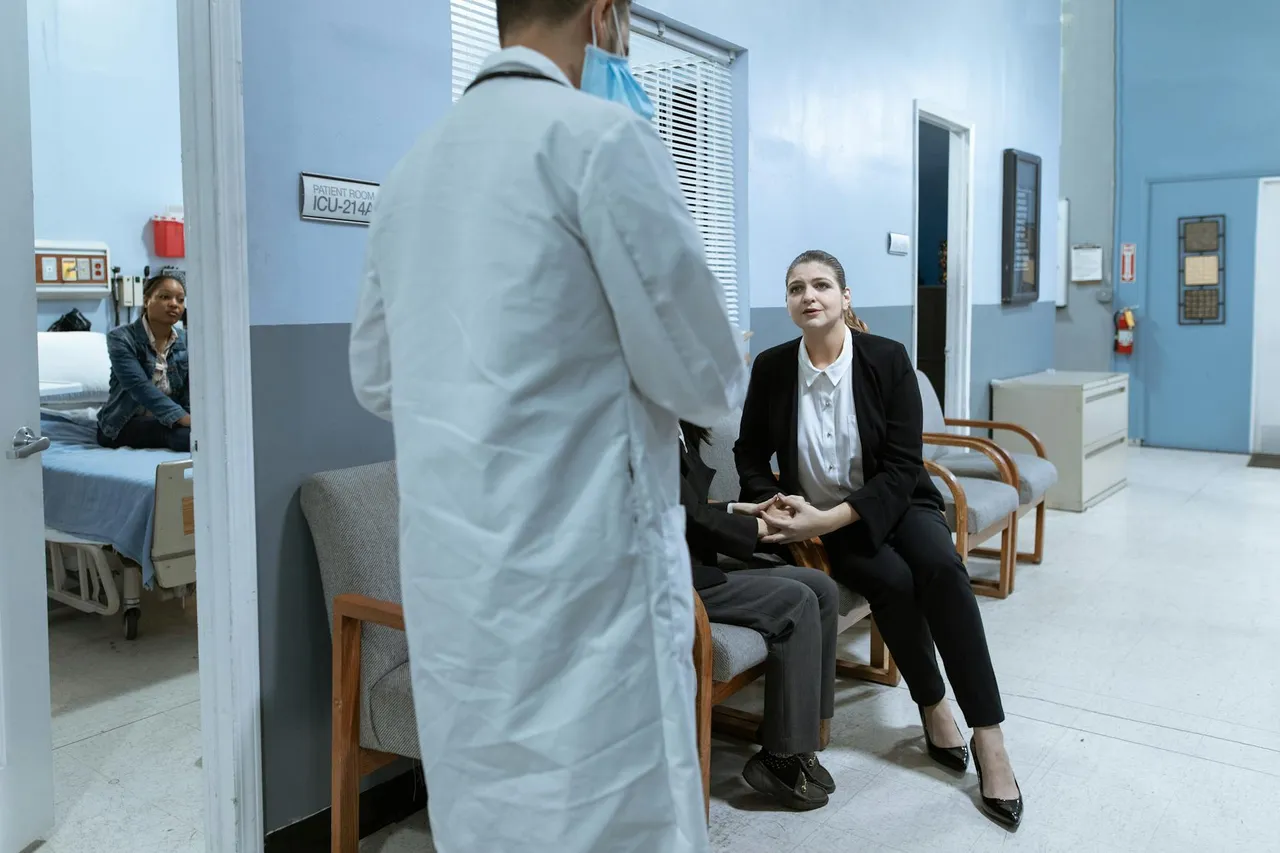
The International Patient Summary (IPS) standard was designed precisely for this situation. An IPS document is a structured, machine-readable summary of your medical history including diagnoses, medications, allergies, vaccination history, and past procedures. It can be read by clinicians and health information systems internationally. For a deeper explanation of how the underlying data standard works, see our guide on what FHIR is and why it matters for international medical records.
Creating your IPS on Nomedic before you relocate means your new Spanish GP, your private insurer's network physicians, and any emergency clinician who sees you will have access to a complete clinical picture in a format they can actually use. This is particularly important in the first months of your stay, before you're established in the Spanish system and before any new provider knows your history.
Step-by-step: getting your health setup right before you apply
Emergency healthcare in Spain while your status is being set
Spain's public health system provides emergency care to everyone regardless of insurance status. If you need to go to urgencias (the Spanish ER/A&E), you will be treated.
If you're covered by private insurance, costs incurred in a public hospital may need to be claimed from your insurer afterwards. The emergency number in Spain is 112 for all services. For medical emergencies specifically, 061 connects directly to the emergency health coordination service.
If you're applying for the DNV from outside Spain and are waiting for approval, standard travel insurance may cover emergency care during that period. However, standard travel insurance does not satisfy the residency visa requirement. Verify separately that your policy includes medical evacuation coverage if you want protection during the pre-arrival period.
Frequently asked questions
Does the Spain digital nomad visa require private health insurance?
Most applicants must provide private health insurance from an insurer registered with Spain's DGSFP. The policy must cover all risks covered by Spain's public health system, with no copayments, deductibles, or coverage limits, and must run for the full duration of the visa. Travel insurance does not qualify. Self-employed applicants who commit to registering with Spain's autónomo social security system (RETA) may be exempt from the private insurance requirement in some cases.
What income do I need for Spain's digital nomad visa in 2026?
As of 2026, you must demonstrate a minimum monthly income of approximately €2,850, which is 200% of Spain's Minimum Interprofessional Salary (SMI). The threshold increases for each dependent: 75% of the SMI for a first dependent and 25% for each additional one. The exact figure adjusts annually with Spain's minimum wage, so confirm the current SMI before applying.
Can I access Spain's public healthcare system on the digital nomad visa?
Access to the public Sistema Nacional de Salud (SNS) depends on your social security contributions. If you register as an autónomo or your employer registers you in the Spanish social security system, you gain full public healthcare access including primary care, specialist referrals, hospital treatment, and discounted prescriptions. Without social security contributions, you remain reliant on your private policy. After 12 months of registered residency, the Convenio Especial programme allows you to access public healthcare for a monthly fee.
Will my travel insurance satisfy the digital nomad visa health insurance requirement?
No. Spain's consulates explicitly state that travel insurance does not satisfy the digital nomad visa health insurance requirement. You need a policy from a DGSFP-registered insurer that covers all risks of Spain's public health system, with no copayments, deductibles, or coverage caps, valid for the full duration of your visa.
How long does it take to process a Spain digital nomad visa application?
Applications submitted through a Spanish consulate abroad are typically processed within 15 to 45 business days. Applications submitted from within Spain for a residency authorisation may be processed within approximately 20 business days. Processing times vary by consulate and volume, and appointment availability at some consulates can be booked up 4 to 6 weeks in advance. Start the process early.
What happens to my medical records when I move to Spain?
Your medical records held abroad will not automatically transfer to Spanish healthcare providers. A new clinician in Spain will have no access to your history unless you bring it with you in a readable format. Creating an International Patient Summary (IPS) on Nomedic before you leave gives you a structured, internationally readable medical summary that Spanish doctors, your private insurer's network, and emergency clinicians can access and understand.
Sources
- [1] Spain Ministry of Foreign Affairs — Digital Nomad Visa (London Consulate)
- [2] Spain Ministry of Foreign Affairs — Telework (Digital Nomad) Visa (Washington Consulate)
- [3] Spain Ministry of Foreign Affairs — Visa for Digital Nomads (Canberra Embassy)
- [4] Spain Startup Act — Law 28/2022 (Ley de Startups)
- [5] Spain SEPE — Salario Mínimo Interprofesional (SMI)
- [6] Spain Ministry of Health — Sistema Nacional de Salud
- [7] Spain DGSFP (Dirección General de Seguros y Fondos de Pensiones) — Official Homepage
- [8] Spain Agencia Tributaria — Special expatriate regime (Art. 93 IRPF / Beckham Law)
Topics
Related articles
- ArticleHepatitis B and C Antivirals Abroad: Where Your Prescription Survives the Border
- ArticleTriptans Abroad: The Countries Where Your Migraine Prescription Runs Out
- ArticleThe 8 Safest Destinations for LGBTQ+ Digital Nomads: Legal Rights, Healthcare & Visas
- ArticleGetting Sick Abroad Is Inevitable. Here's How to Actually Be Prepared.
- ArticleThe 10 Best Countries for Expat Healthcare: Ranked by Access, Cost and Practicality
- ArticleEHIC, GHIC and Travel Insurance: What Each Actually Covers in 2026