The 8 Safest Destinations for LGBTQ+ Digital Nomads: Legal Rights, Healthcare & Visas
Safety when traveling isn't just about crime rates. For LGBTQ+ digital nomads, it means legal protections, quality healthcare, and genuine social acceptance. Here are 8 destinations that deliver all three.
The 8 safest destinations for LGBTQ+ digital nomads: what you need to know
Medical disclaimer: This article provides general information for travellers and does not constitute medical advice. Regulations, prescription requirements, and product availability change. Consult your prescribing clinician before travelling and confirm destination-specific rules with the relevant national authority.
What makes a destination safe for LGBTQ+ digital nomads?
Choosing where to visit as an LGBTQ+ digital nomad is not the same calculation a straight cisgender nomad runs. Visa ease and fast Wi-Fi matter to everyone. Whether you can walk home at night without incident, access gender-affirming care, or have your relationship legally recognised if your partner needs emergency treatment – those are layers that only some travellers have to plan around.
This list of safest destinations for LGBTQ+ digital nomads is built on four criteria:
- legal protections (including marriage equality, anti-discrimination laws, and gender recognition)
- healthcare access (including gender-affirming care and PrEP availability)
- social safety on the ground
- practical nomad infrastructure such as visa pathways, internet speeds, and cost of living.
Each destination has been cross-referenced against ILGA-Europe's Rainbow Map, the Equaldex Equality Index, and the Spartacus Gay Travel Index.
A note before you read on: even the most progressive countries have pockets of conservatism. Rural areas tend to be more conservative than cities everywhere on this list. Always research the specific city or neighbourhood you plan to base yourself in, not just the country. Laws and ground-level culture are not always the same thing.
Medical disclaimer: This guide is for informational purposes only and does not constitute medical advice. Always consult your specialist before travelling, particularly regarding changes to your treatment schedule, vaccination requirements, and travel insurance.
1. Malta
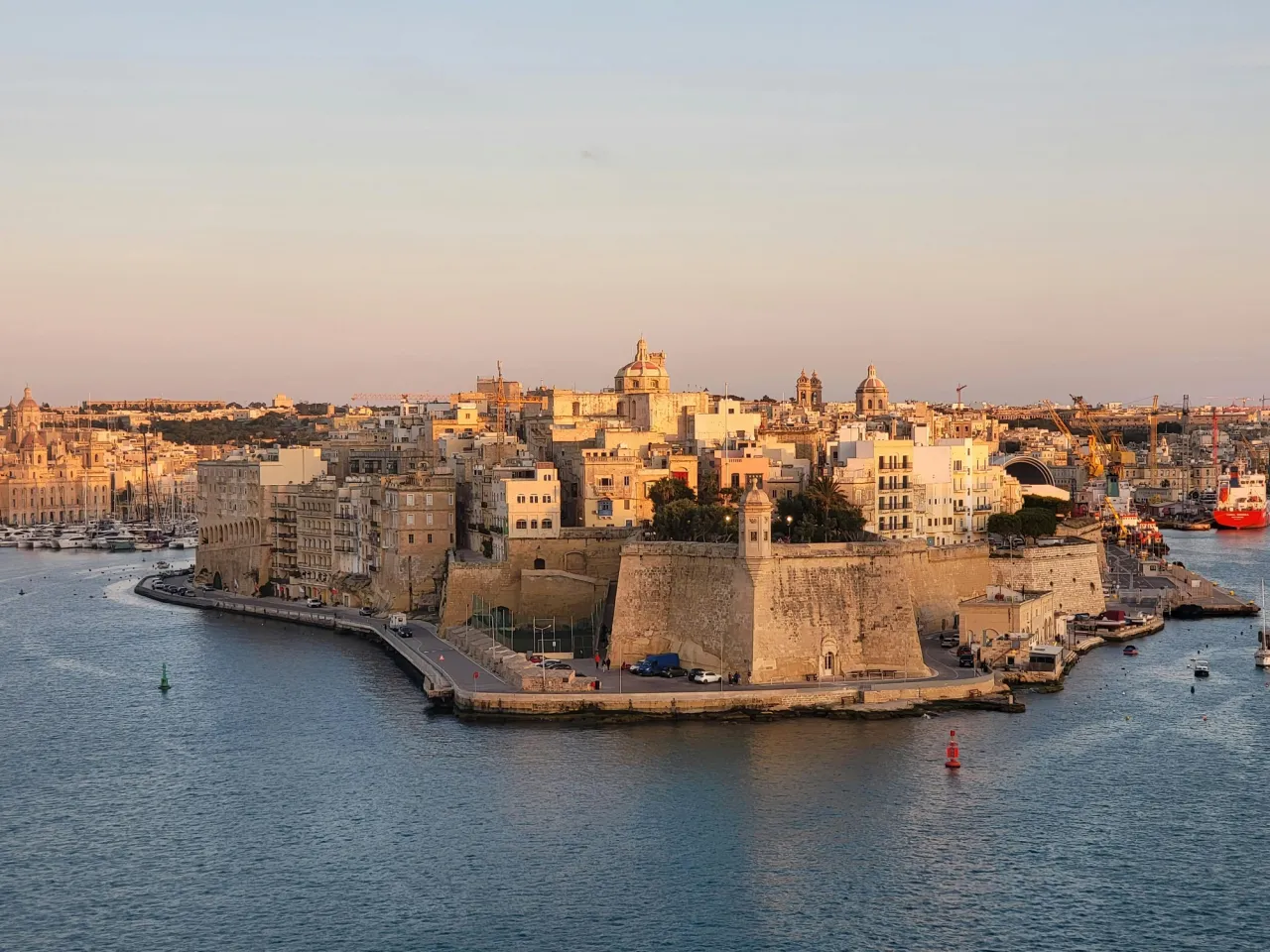
Malta has ranked first on ILGA-Europe's Rainbow Map for ten consecutive years, from 2015 through 2025. That consistency is not accidental. Malta was the first European country to ban conversion therapy, the first to add gender identity as a protected category to its constitution, and it operates a self-declaration model for legal gender recognition, meaning no medical diagnosis, no surgery, and no court order is required. Anti-discrimination laws cover employment, housing, and healthcare. For trans and non-binary digital nomads, Malta's legal framework is the most comprehensive in the world.
On the practical side, both English and Maltese are the official languages, so accessing healthcare or navigating bureaucracy is straightforward for LGBTQ+ anglophones. A single person's monthly expenses run approximately €1,300–€1,600 depending on location. The Malta Digital Nomad Visa requires a minimum gross annual income of €42,000 and is valid for one year with renewal options. PrEP is available through the national health system. The island hosts an annual Pride Week each September in Valletta.
Healthcare caution: as a short-stay nomad you will rely on private healthcare or travel insurance rather than the public system. Carry your International Patient Summary (IPS) on Nomedic so that any Maltese clinician can immediately understand your medical history, current medications, and allergies – without a language barrier or a hunt for paper records.
2. Portugal
Portugal is consistently rated among the safest countries in the world for LGBTQ+ travellers and residents, ranking 7th on the 2025 Global Peace Index overall. It became the first country to constitutionally ban discrimination based on sexual orientation in 2004, and gender-affirming care has been legally available since 1995. In 2024, Portugal criminalised conversion therapy. Legal gender recognition operates on a self-determination basis under Lei n.º 38/2018, which removes medical-gatekeeping requirements for adults and for minors aged 16+ with parental consent.
Lisbon hosted EuroPride in 2025. The city's annual Arraial Lisboa Pride event draws over 60,000 people. For nomads, the D8 Digital Nomad Visa requires a minimum monthly income of €3,680. The D7 Passive Income Visa has a lower threshold of €920 per month and suits freelancers with more modest or passive income streams. Internet infrastructure is strong in Lisbon and Porto, and the two cities have established co-working ecosystems with visible queer communities in neighbourhoods like Príncipe Real (Lisbon).

Healthcare note: accessing gender-affirming care through Portugal's National Health Service (SNS) as a new arrival takes time. Your GP must first refer you to a sexologist, and waiting times vary by region. If you're on ongoing hormone therapy, bring a letter from your prescribing doctor and your IPS detailing your current regimen. Private clinics can reduce waiting times considerably.
3. The Netherlands
The Netherlands was the first country in the world to legalise same-sex marriage in 2001. And in 2023 it enshrined protections for LGBTQ+ and disabled people directly into its constitution. Amsterdam's LGBTQ+ infrastructure is among the best in Europe: the city hosts over 100 LGBTQ+ bars, clubs, saunas, shops, and hotels. A 2024 study placed the Netherlands at the top of the list of best countries for LGBTQ+ expats and digital nomads, partly because Statistics Netherlands (CBS) reports a sizeable LGB+ population, with Amsterdam in particular hosting one of Europe's most visible queer communities.
English is spoken virtually universally in Amsterdam and other major cities throughout the Netherlands. Healthcare is private but well-regulated and high quality. The Dutch-American Friendship Treaty (DAFT) provides a unique visa route for US citizens. The main barrier is cost: Amsterdam housing is expensive and competitive, and overall cost of living sits significantly above Portugal or Thailand. Budget accordingly if you're considering the Netherlands as a longer base.
4. Spain
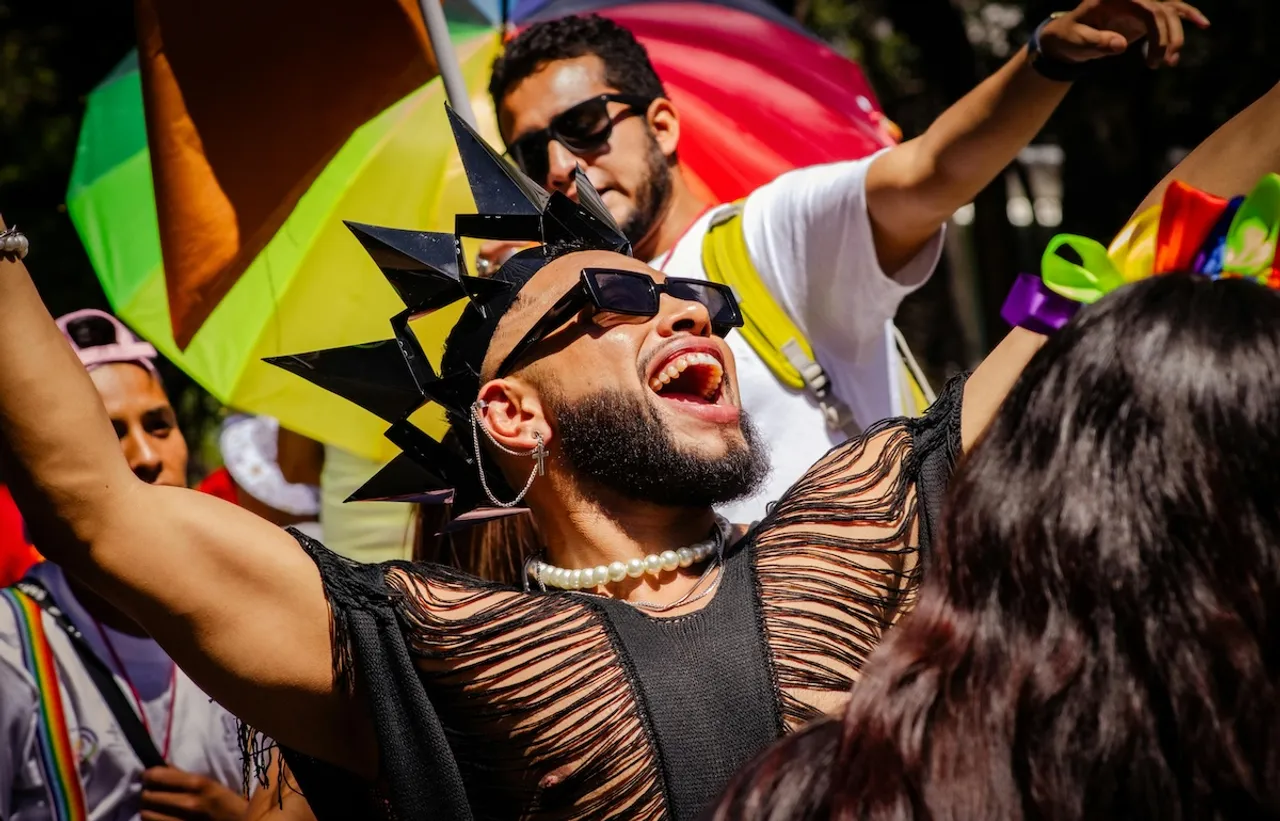
Spain legalised same-sex marriage in 2005, among the earliest countries in Europe to do so. ILGA-Europe's Rainbow Map lists Spain as one of only a handful of countries with full anti-discrimination coverage across sexual orientation, gender identity, gender expression, and sex characteristics (SOGIESC). The major cities – Madrid, Barcelona, Valencia, and Seville – have large, well-established queer communities. Madrid's Chueca neighbourhood is one of Europe's most recognised LGBTQ+ districts. The annual Madrid Pride draws hundreds of thousands of participants.
Spain's Digital Nomad Visa (DNV) requires a minimum monthly income of approximately €2,950–€3,000 from non-Spanish clients or employers, and stays of up to five years are possible. Some Spanish regions are actively incentivising relocation with grants of up to €15,000. Overall living costs are roughly 30–40% lower than in the UK or the US, and Spain ranked first in a 2025 Global Digital Nomad Report for overall nomad suitability. Gender-affirming care is publicly available and conversion therapy is banned.
5. Taiwan
Taiwan became the first territory in Asia to legalise same-sex marriage in 2019. It is consistently rated as one of the safest countries in Asia for LGBTQ+ people, and its Crime Index of 19.86 – lower than most Western capitals – reflects a genuine level of public order and safety. Taipei has a visible and active queer scene, with strong community organisations, regular Pride events, and LGBTQ+-friendly co-working and social spaces throughout the city. Gender-affirming care is available, with transparent routes for hormone therapy and surgery.
For digital nomads, Taiwan currently offers visa-free or visa-on-arrival entry for many nationalities, and a dedicated digital nomad visa has been in development. Internet infrastructure is excellent and the co-working scene in Taipei is well-established. Cost of living is moderate by East Asian standards. If you're on prescription medication, carry your IPS and a doctor's letter: Taiwan's pharmacies stock most common medications, but brand names will differ from Western equivalents.
6. Thailand
Thailand's Marriage Equality Act came into force on 23 January 2025, making it the first country in Southeast Asia to legalise same-sex marriage – only the 38th country globally to do so. The Act grants LGBTQ+ couples equal rights in marriage, inheritance, adoption, and family matters, including the right to make medical decisions for a partner. This is a significant practical safeguard for nomad couples: previously, a foreign same-sex partner had no legal standing in a Thai medical emergency.
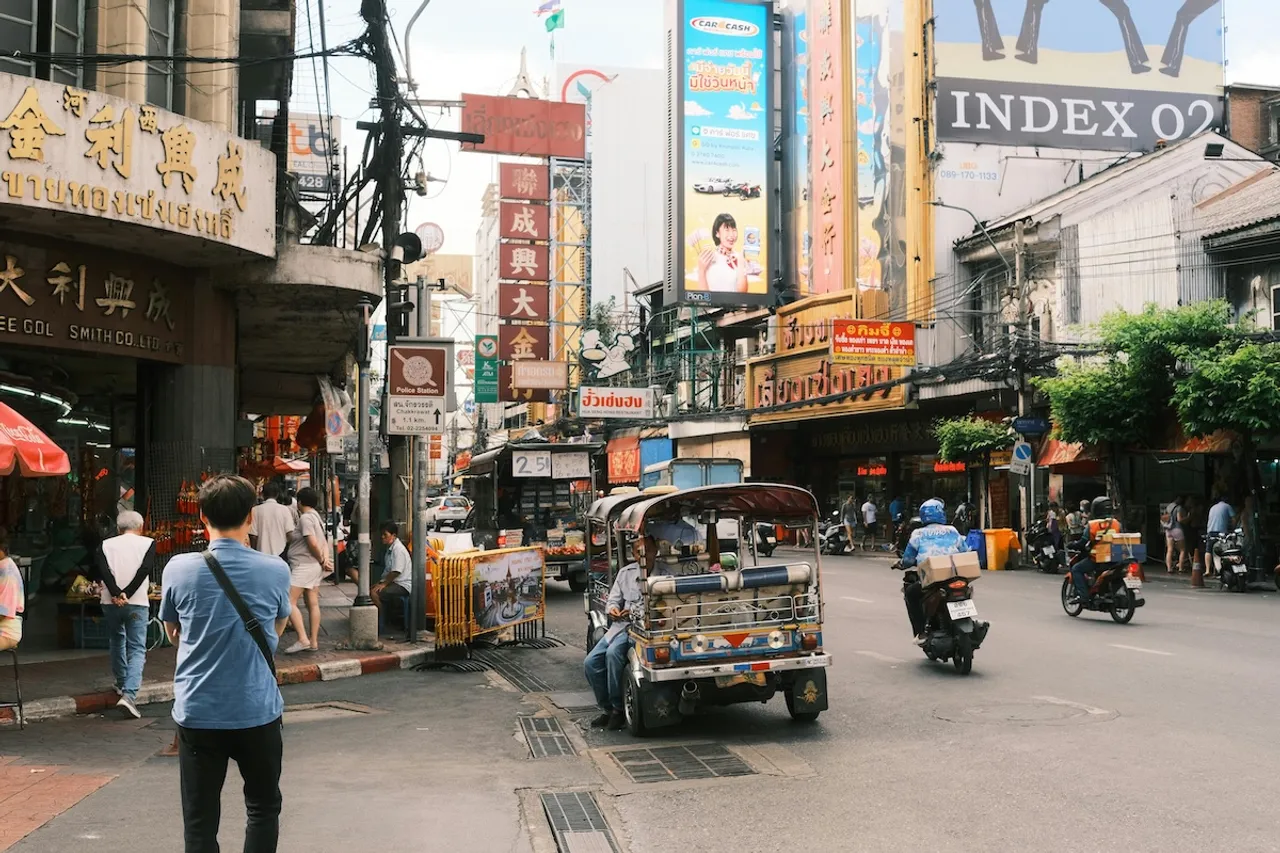
Thailand's Destination Thailand Visa (DTV), launched in 2024, is a five-year multiple-entry visa designed for digital nomads and remote workers. It requires savings of approximately THB 500,000 (around USD 13,600–14,500) rather than a monthly income threshold, making it accessible to freelancers and contractors who do not have a fixed salary. The application fee is THB 10,000 (approximately USD 270). Each entry permits a 180-day stay with one extension. Bangkok, Chiang Mai, and Phuket are the main nomad hubs, with strong co-working infrastructure and large English-speaking communities.
Thailand is also known for access to gender-affirming surgery at significantly lower cost than Western countries, with costs for major procedures typically ranging between £3,000 and £20,000 depending on procedure and facility. Social acceptance is high in cities, particularly in Bangkok and Chiang Mai. Rural attitudes remain more traditional. Note that as of 2025, Thailand has begun enforcing stricter immigration rules: more than two visa runs per year can result in denial of entry, so the DTV is the right vehicle if you plan to base yourself there for extended periods.
7. Canada
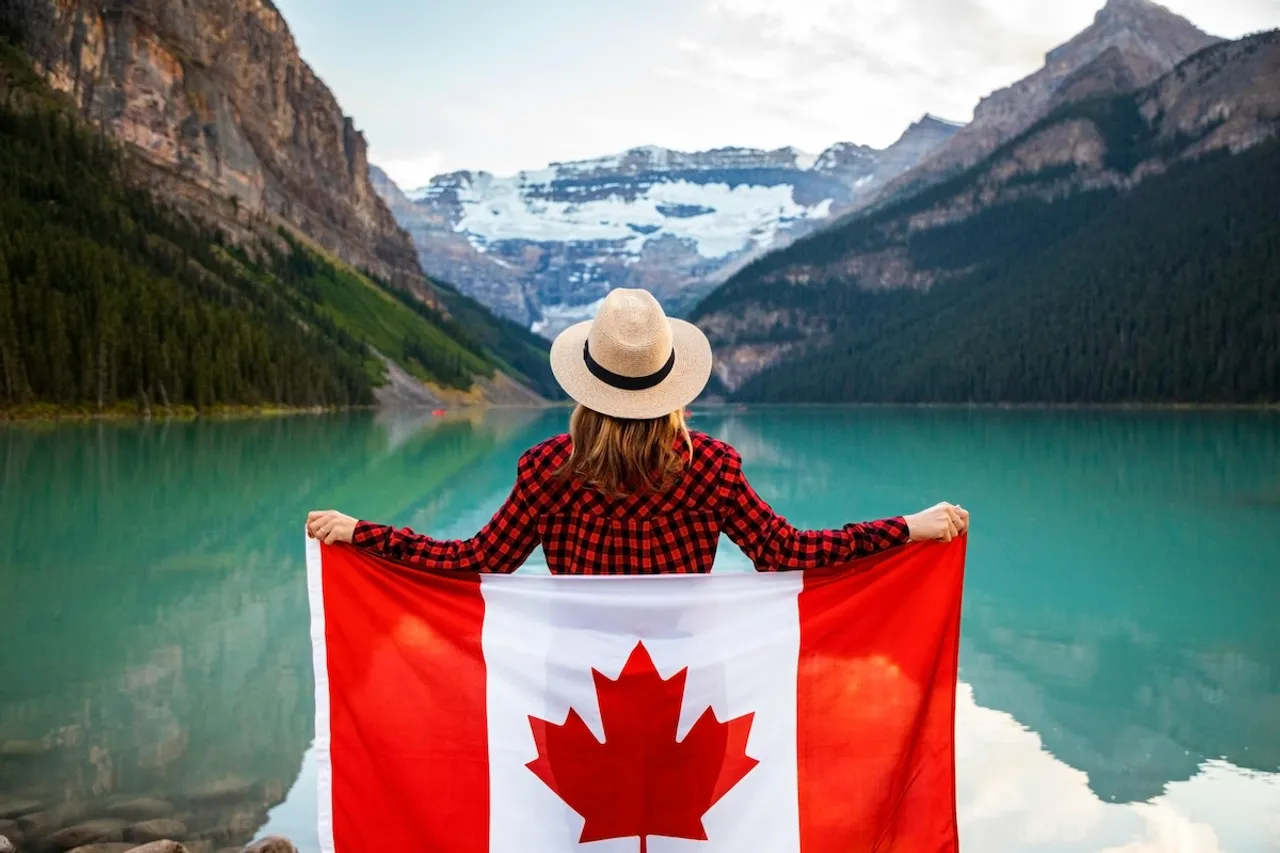
Canada consistently appears at the top of LGBTQ+ safety indices including the 2023 LGBTQ+ Travel Safety Index, alongside Sweden, Norway, the Netherlands, and Malta. Same-sex marriage has been legal since 2005. Anti-discrimination protections are comprehensive at both federal and provincial levels, covering employment, housing, and public services. Toronto hosts one of the largest Pride events in North America, drawing over 3 million people annually, and Vancouver and Montreal are equally well-established LGBTQ+ cities.
Canada's public healthcare system is comprehensive and gender-affirming care is provided through the public system, though waiting times vary significantly between provinces. For digital nomads from outside Canada, access to public healthcare is not immediate – you will need travel insurance. The main barrier is immigration: Canada does not currently offer a dedicated digital nomad visa, so most nomads enter on tourist status and must manage stay limits carefully. Skilled workers and those with a job offer have structured pathways through the Express Entry programme.
8. Germany
Germany's public healthcare system covers gender-affirming care, and the country reformed its legal gender recognition process in 2024 to allow change by simple self-declaration, removing previous medical gatekeeping requirements. Berlin is one of the most established queer cities on the planet: it has functioned as a hub for LGBTQ+ culture, nightlife, and activism for decades. Cologne, Hamburg, and Munich also have significant queer scenes. English proficiency is high in major cities, and Berlin in particular operates largely in English at a practical level.
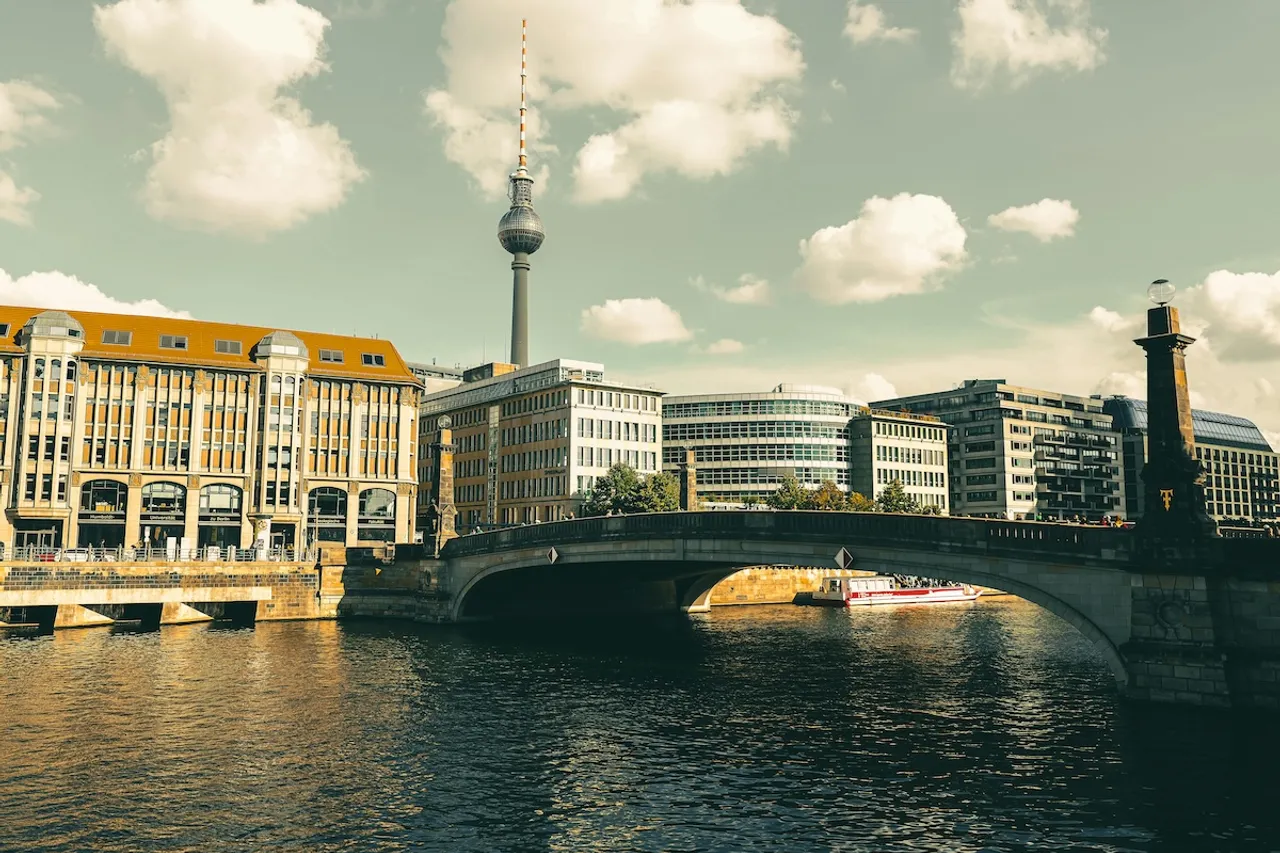
Germany launched its Opportunity Card (Chancenkarte) in 2024 — a points-based visa that does not require a job offer upfront, making it a genuinely accessible entry point for nomads and remote workers looking to relocate. A dedicated freelance visa also exists for the self-employed. Germany was the only European country to reform legal gender recognition through self-declaration in the most recent ILGA-Europe Rainbow Map reporting period. For nomads carrying controlled medications or complex prescription regimes, Germany's pharmacy infrastructure is among the most reliable in the world.
The Healthcare Problem That Every LGBTQ+ Nomad Faces
The records problem
When you arrive at a clinic in Chiang Mai or Lisbon as a new patient, you have no local medical history. A doctor cannot easily verify what medications you take, what allergies you have, or what your current diagnoses are. This is a universal problem for digital nomads, but for LGBTQ+ nomads, especially those on hormone therapy or HIV-related medications such as antiretrovirals or PrEP, the stakes are higher. An incomplete or missing medication history can lead to possible prescribing errors.
The trust problem
Not every clinician in every country – even progressive ones – has training in LGBTQ+ healthcare. A clinician who is unfamiliar with your care may make decisions based on incomplete assumptions. Having a structured, standardised summary of your health that you control and can share instantly changes this dynamic. It shifts you from being a mystery patient to being an informed one.
The continuity problem
Hormone therapy, antiretrovirals, psychiatric medications, and other ongoing treatments require consistent management across borders. Prescription names differ by country: a medication your prescriber calls by its brand name at home may be dispensed under its International Nonproprietary Name (INN) abroad, or require a local prescription before a pharmacy will dispense it. Your IPS on Nomedic includes your medications listed by INN, your current doses, and your prescribing clinician's details, giving any new doctor abroad what they need to continue your care safely.
What to Do Before You Travel
Frequently asked questions
Which country is the safest for LGBTQ+ digital nomads in 2026?
Malta has ranked first on ILGA-Europe's Rainbow Map for ten consecutive years, making it the most legally progressive destination in the world for LGBTQ+ people. It was the first European country to ban conversion therapy, the first to add gender identity to its constitution, and uses a simple self-declaration model for legal gender recognition. For nomads, the Malta Digital Nomad Visa requires a minimum gross annual income of €42,000 and is valid for one year with renewal options. English is the official language, which makes healthcare access straightforward.
How do I check LGBTQ+ legal rights before choosing a destination?
Three reliable data sources cover this in depth. ILGA-Europe's Rainbow Map ranks 49 European countries across legal and policy criteria annually. Meanwhile, Equaldex provides a global Equality Index combining legal rights scores and public opinion data for countries worldwide. Finally, ILGA World produces global rights maps covering over 100 topics including criminalisation, partnership recognition, and anti-discrimination law. Always cross-reference legal data with on-the-ground reports from queer community organisations in your target city, as social conditions and enforcement can differ from what the law states.
What healthcare documents should an LGBTQ+ nomad carry when travelling abroad?
You should carry an International Patient Summary (IPS) built to the HL7 FHIR standard – this is a structured, internationally readable summary of your diagnoses, medications (by generic/INN name), allergies, and emergency contacts. If you take hormone therapy, antiretrovirals, PrEP, or any controlled substance, also carry a signed letter from your prescribing doctor confirming your treatment. Before travelling, check the medication import rules for your destination country, as rules around controlled substances vary significantly. You can build and store your IPS on Nomedic for instant access at any clinic worldwide.
What travel insurance do LGBTQ+ digital nomads need?
You need a policy that explicitly covers pre-existing conditions, including any ongoing treatments such as hormone therapy or HIV-related medications. Check whether your policy covers gender-affirming care if this is relevant to your needs, as many standard policies exclude it by default. Confirm that emergency medical evacuation, mental health treatment, and repatriation are included. Read the exclusions section carefully – this is where most claims are rejected. Some specialist providers offer policies tailored to nomads with pre-existing conditions; these typically require medical underwriting before cover is confirmed. Confirm your insurer's direct billing network in your destination country so you're not required to pay out of pocket and claim back later.
Is Thailand safe for LGBTQ+ digital nomads after the 2025 marriage equality law?
Thailand's Marriage Equality Act came into force on 23 January 2025, making it the first country in Southeast Asia to legalise same-sex marriage. The Act grants LGBTQ+ couples equal rights in marriage, inheritance, adoption, and family matters, including the right to make medical decisions for a partner – a critical protection in a medical emergency abroad. Cities such as Bangkok and Chiang Mai are socially welcoming, with large LGBTQ+ communities and co-working ecosystems. The Destination Thailand Visa (DTV) provides a five-year multiple-entry option for digital nomads, requiring savings of approximately THB 500,000 (around $13,600) rather than a fixed monthly income.
Do LGBTQ+ nomads have access to gender-affirming care in these destinations?
Most destinations on this list offer access to gender-affirming care, though the route and cost varies. Malta, Portugal, Spain, Germany, and Canada all offer gender-affirming care through their public health systems, with varying waiting times. Taiwan and Thailand both have established private routes for hormone therapy and surgery. Germany reformed its legal gender recognition process in 2024 to allow self-declaration without medical gatekeeping. For nomads using short-stay visas, access to public healthcare is usually not immediate – private clinics or travel insurance are typically the practical route. Carry your current treatment details in your IPS to ensure continuity of care.
Sources
- [1] ILGA-Europe — Rainbow Map and Index (annual ranking of European countries on LGBTI rights)
- [2] Equaldex — Global LGBTQ+ Equality Index
- [3] ILGA World — State-Sponsored Homophobia and global rights maps
- [4] Statistics Netherlands (CBS) — The Netherlands has 2.7 million LGBTQIA people (Oct 2024)
- [5] Identities Malta — Gender Identity, Gender Expression and Sex Characteristics (GIGESC) Act
- [6] Diário da República — Lei n.º 38/2018 (Portugal: gender identity and self-determination)
- [7] Residency Malta — Nomad Residence Permit (Malta Digital Nomad Visa)
- [8] Portugal SEF/AIMA — D8 Digital Nomad Visa and D7 Passive Income Visa requirements
- [9] Spain Ministry of Foreign Affairs — Digital Nomad Visa (Ley de Startups, 2026 SMI threshold)
- [10] Thailand Government Gazette — Marriage Equality Act in force 23 January 2025
- [11] Royal Thai Government — Destination Thailand Visa (DTV) launched July 2024
- [12] Government of Canada — Express Entry program (no dedicated digital nomad visa as of 2026)
- [13] German Federal Foreign Office — Opportunity Card (Chancenkarte) and Self-Determination Act 2024
- [14] Thailand Tourism Authority — Emergency numbers (Tourist Police 1155, Police 191, Medical 1669, Fire 199)
Topics
Related articles
- ArticleSpain's Digital Nomad Visa: The Healthcare Requirement Nobody Warns You About
- ArticleHepatitis B and C Antivirals Abroad: Where Your Prescription Survives the Border
- ArticleTriptans Abroad: The Countries Where Your Migraine Prescription Runs Out
- ArticleGetting Sick Abroad Is Inevitable. Here's How to Actually Be Prepared.
- ArticleThe 10 Best Countries for Expat Healthcare: Ranked by Access, Cost and Practicality
- ArticleTravelling with HIV meds or PrEP: What You Need to Know Before Flying