🇸🇮 Slovenia Healthcare Guide
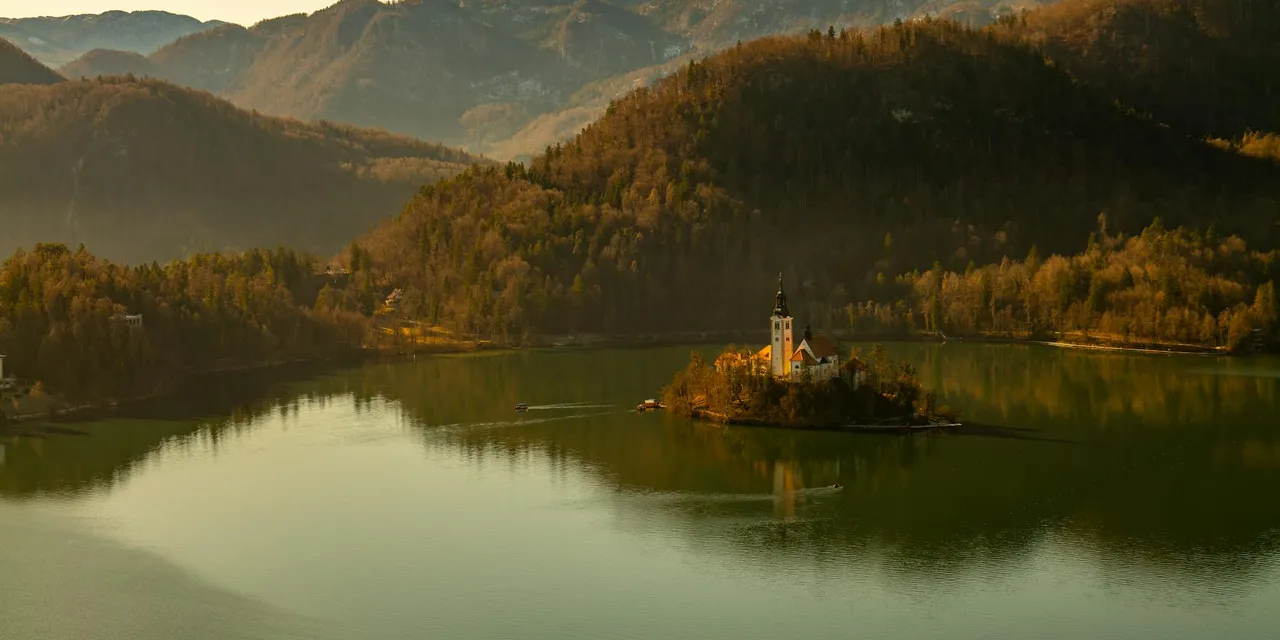
Ljubljana's University Medical Centre is a well-regarded teaching hospital, and Slovenia's healthcare system punches above its weight for a country of two million. EHIC covers EU visitors, and most doctors in the capital speak English, but the system is small — if you're visiting Lake Bled or the Julian Alps, the nearest hospital with full capabilities is back in Ljubljana, so saving its address and the local emergency number alongside your accommodation details is worth doing before you head out.
Quick facts
- Emergency number: 112
- Healthcare system: universal-public
- Average GP visit: $30 USD
- EHIC/GHIC accepted: Yes
- Language barrier: medium
Healthcare overview
Slovenia’s public healthcare is among the best in Central Europe, with University Medical Centre Ljubljana (UKC) ranking highly in European hospital assessments. EHIC holders access the system with small co-payments. The country’s compact geography is a genuine advantage: Ljubljana is reachable within 2 hours from the coast (Piran), the Julian Alps (Bled, Bohinj), or the eastern wine country. Maribor University Medical Centre serves the east.
Two-hour rule
From anywhere in Slovenia, Ljubljana and UKC are at most 2 hours away, making specialist follow-up logistically straightforward for visitors based anywhere in the country.
Strong for its size
UKC Ljubljana consistently ranks among the better Central European hospitals, with specialist departments that outperform several larger nations.
Recommended
- Hepatitis A
- Hepatitis B
- Typhoid
Prescriptions and pharmacies
Slovenian pharmacies (lekarna) are well-stocked with EU-standard medications at moderate prices. Pharmacists across the country, including in Bled and coastal towns, typically speak English and can advise on local equivalents. Having your medication list accessible helps them match your regular medications to Slovenian brands, which sometimes differ from Central European equivalents.
English-speaking pharmacists
Pharmacists in Ljubljana, Bled, and Piran typically speak English and can match your medications to local equivalents.
Tips for travellers
UKC Ljubljana covers most specialist chronic conditions at a level that competes with larger neighbouring countries. For highly complex cases, the proximity of hospitals in Trieste (Italy), Graz (Austria), and Zagreb (Croatia) adds a layer of accessible alternatives, all within 2–3 hours. Having your treatment plan accessible in Slovenian, English, German, or Italian means any specialist in the region can continue your care.
Tri-border specialist access
Slovenia borders Italy, Austria, and Croatia, each with major hospitals within 2–3 hours, giving visitors more specialist options than most small countries.