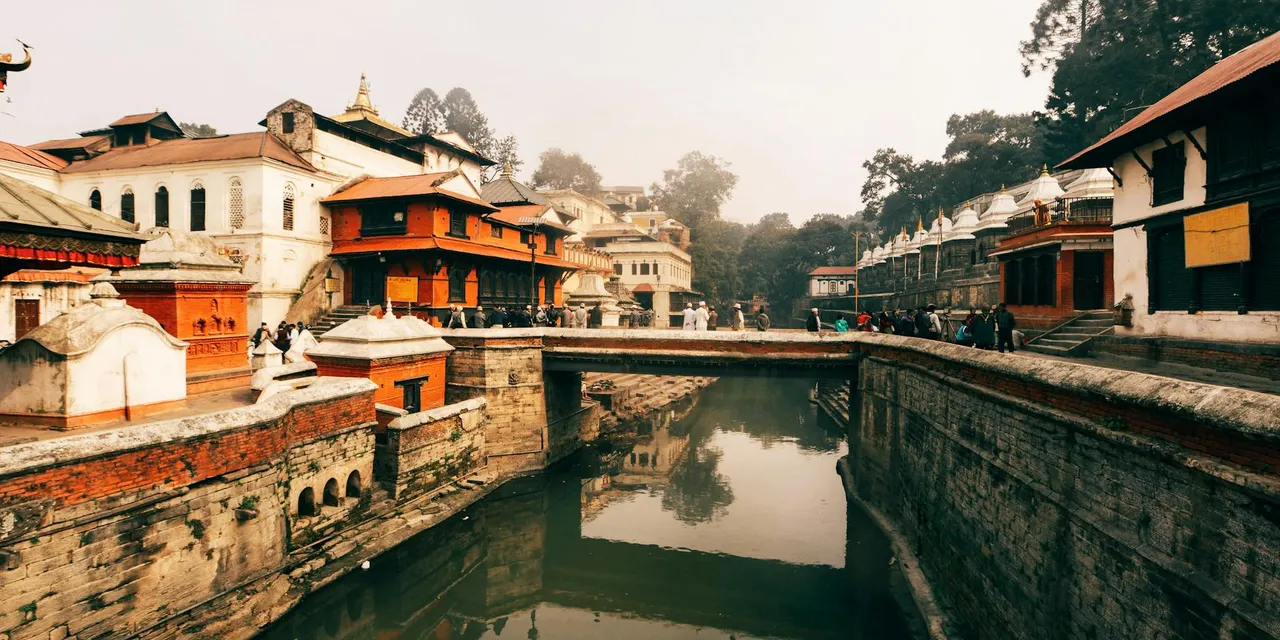
Healthcare in Kathmandu
Limited public infrastructure pushes almost all visitors to a handful of expat-trusted private clinics — CIWEC is the nomad standard.
Healthcare in Kathmandu
Public hospitals in Kathmandu are overstretched and rarely used by foreigners. A small number of private clinics and hospitals handle nearly all visitor care. Most serious cases are medevac'd to Bangkok or Delhi.
CIWEC Hospital is the long-established travel-medicine specialist, staffed in English with vast expat experience. Norvic International Hospital and B&B Hospital handle broader in-patient care. Nepal Mediciti is the newest tertiary facility on the valley edge.
Independent labs for bloodwork and stool tests are clustered around Thamel and Lazimpat. Many trekking doctors also run small clinics focused on altitude and GI issues.
Navigating care as a foreigner
Booking — CIWEC and most private clinics take walk-ins. Phone bookings work in English during business hours. For ambulance, calling the hospital directly is faster than 102.
Payment — Cash is king — cards work at major hospitals but power and network outages disrupt payments. CIWEC direct-bills many travel insurers, which is unusual for the region. Keep small bills for pharmacy.
Language — Doctors speak strong English; reception less so. Most visitors have no language friction at private facilities. Translation is only an issue in public hospitals or rural referrals.
Costs
Kathmandu care is among Asia's cheapest, running 70-85% below Western Europe and the US. Costs rise for foreigners at CIWEC, which still undercuts most regional international clinics.
| GP visit (private) | $25-60 CIWEC foreigner rate |
| Specialist consultation | $40-100 |
| ER visit (private) | $100-300 |
| Blood panel (basic) | $10-25 Independent lab |
| X-ray | $15-40 |
| MRI | $150-300 |
| Dental cleaning | $20-50 |
| Dental crown | $100-250 |
CIWEC charges a foreigner tariff above local hospitals but is still cheaper than most regional international clinics.
Pharmacies
Pharmacies are everywhere in Thamel, Lazimpat, and Patan, often operating until late. Many prescription drugs are sold over the counter, but quality varies — stick to reputable chain pharmacies near major hospitals. Overnight coverage is inconsistent. The pharmacies inside CIWEC and Norvic run latest; for anything critical at night, go directly to the hospital rather than hunting a street pharmacy.
Health tips
Common visitor health risks in Kathmandu
Altitude sickness
Returning from treks or flying up from sea level can trigger AMS. CIWEC handles altitude care.
Winter air quality
Nov-Feb inversions push AQI to hazardous. N95 masks essential; air purifiers help indoors.
Traveller's diarrhoea
Drink only sealed bottled or filtered water. Avoid salads and ice from street vendors.
Stray dog bites
Rabies risk is real. Get pre-exposure vaccination before trekking or volunteering with animals.
Emergency
Emergency number: 102
Ambulance (unreliable coverage). Most expats call a private hospital directly — response is faster and English-capable.
English widely spoken in clinics
Most doctors train in English and speak it fluently. Nursing and pharmacy staff English varies more.
Frequently asked questions
Can I use travel insurance directly at Kathmandu hospitals?
Sometimes — CIWEC has long-standing relationships with major global insurers and will often direct-bill with prior approval. Other private hospitals usually require cash or card upfront, with reimbursement claims later.
Is tap water safe to drink in Kathmandu?
No. Tap water is not safe anywhere in the valley, including filtered hotel taps. Drink sealed bottled water, boiled water, or water treated with a reliable filter, and skip ice.
What should I do if I get altitude sickness returning to Kathmandu?
Descend first, rest, hydrate, and go straight to CIWEC if symptoms persist below 3,000m. CIWEC has the country's most experienced altitude team and treats AMS, HACE, and HAPE routinely.
Sources
- [1] UK FCDO — Nepal travel advice: health, healthcare quality and evacuation insurance
- [2] UK FCDO — Nepal travel advice: emergency numbers (102 ambulance, 100 police, 1144 tourist police)
- [3] CDC Yellow Book — Nepal: altitude illness and travellers' diarrhoea
- [4] US Embassy Nepal — medical assistance and Kathmandu hospital list
- [5] CIWEC Hospital and Travel Medicine Center, Kathmandu — walk-in travel clinic with on-site lab
- [6] GeoSentinel (peer-reviewed) — health problems in travellers attending the CIWEC clinic, Kathmandu
- [7] World Bank — air pollution is Nepal's leading health risk factor, Kathmandu Valley PM2.5
- [8] Nepal Department of Drug Administration — pharmacy licensing and prescription rules