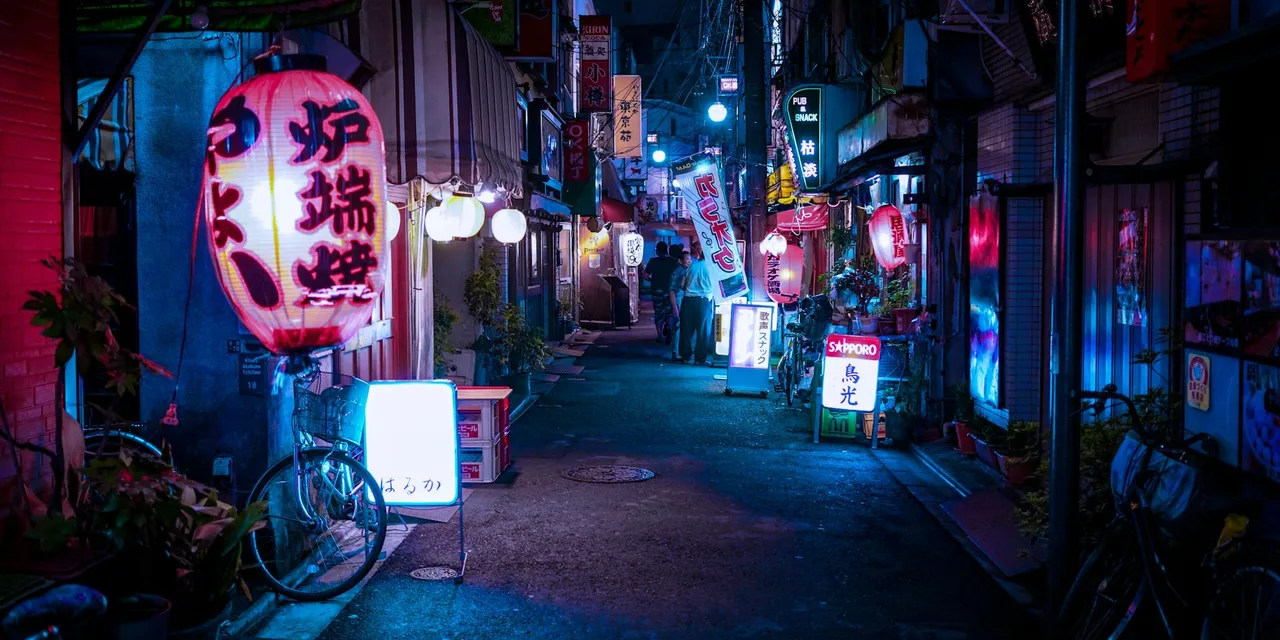
Healthcare in Tokyo
World-class care with strict upfront payment rules — private English-speaking clinics often refuse national insurance and expect cash.
Healthcare in Tokyo
Japan's universal national health insurance (NHI) covers residents at any hospital. Short-term visitors pay out of pocket and are charged significantly more. Most large hospitals require a GP referral for specialists.
St. Luke's International Hospital in Tsukiji has the widest English-speaking services for serious care. Tokyo Medical & Surgical Clinic and American Clinic Tokyo cater specifically to expats for primary care. The National Centre for Global Health & Medicine also runs an international travel clinic.
Long-term nomads often register with a small English-speaking GP clinic in Hiroo or Azabu and only use St. Luke's for emergencies. Ward-office public health centres handle vaccinations cheaply for residents.
Navigating care as a foreigner
Booking — Most English-speaking clinics require phone bookings during business hours. Same-day slots exist but walk-in waits are long. Major hospitals only see unreferred patients in the ER.
Payment — Most private English clinics take cash only and do not accept national insurance. Expect to pay in full at checkout, even for follow-ups. Large hospitals accept cards but may ask for a deposit.
Language — English is guaranteed only at dedicated expat clinics. Elsewhere, bring a Japanese speaker or the 'Himawari' medical translation service. Ambulances do not always take you to English-capable hospitals — specify if possible.
Costs
Tokyo care is high-quality and costs 30-50% less than the US at list price, but visitors without NHI face full rack rates. Private English clinics charge a premium above standard Japanese fees.
| GP visit (private) | $80-150 English clinic |
| Specialist consultation | $100-250 |
| ER visit (private) | $300-800 |
| Blood panel (basic) | $60-120 Independent lab cheaper |
| X-ray | $50-120 |
| MRI | $400-900 |
| Dental cleaning | $80-150 |
| Dental crown | $400-900 |
Without national insurance, visitors pay full rack rates; English clinics add a premium over standard fees.
Pharmacies
Most prescription medication requires a Japanese doctor's script and cannot be bought OTC. Even common drugs like stronger painkillers are tightly controlled. Pharmacies close early — 24-hour options are rare. Chain drugstores cover cold, allergy, and digestive basics in English-labelled packaging. For overnight medication, the ER at St. Luke's or a large hospital pharmacy is the realistic option.
Health tips
Common visitor health risks in Tokyo
Summer heat
Jul-Aug heatstroke is a top hospital cause. Hydrate hard and avoid midday walking tours.
Prescription rules
Many Western drugs are restricted. Check Yakkan Shoumei rules before bringing medication.
Cold winters
Dry indoor heating triggers respiratory issues. Humidifiers help; flu peaks Dec-Feb.
Seafood allergies
Dashi and fish stock are in almost everything. Carry a clear allergy card in Japanese.
Emergency
Emergency number: 119
Fire and ambulance. Limited English — state 'English please' clearly or use the Safety Tips app.
English limited outside expat clinics
Even major hospitals often have only a few English-speaking staff. A handful of dedicated English clinics serve foreigners.
Frequently asked questions
Can I use travel insurance directly at Tokyo hospitals?
Rarely for private clinics, which usually demand cash and leave you to claim later. St. Luke's and a few major hospitals will direct-bill specific global insurers with prior authorisation. Always call your insurer before visiting.
Is tap water safe to drink in Tokyo?
Yes. Tokyo tap water meets strict safety standards and is safe to drink city-wide. Many residents use a simple filter for taste, but there is no health reason to buy bottled water.
What happens if I call 119 and don't speak Japanese?
Operators can connect to a three-way translation line but response may slow. Download the JNTO Safety Tips app or say 'English please' immediately. For non-life-threatening issues, taxi to an English-speaking clinic is often faster.
Sources
- [1] Go Tokyo — illness and injury: emergency numbers (119 ambulance, 110 police)
- [2] Himawari — Tokyo Metropolitan medical institution and pharmacy search for foreign patients
- [3] Tokyo Metropolitan Government — medical information for foreign visitors and residents
- [4] JNTO — guide for visiting a medical institution when you feel ill
- [5] Japanese Red Cross Medical Center — additional fee for patients without a referral letter
- [6] JNTO — travel insurance in Japan: uninsured visitors pay in full up front
- [7] Medical treatment costs for foreign visitors in Japan (peer-reviewed)
- [8] US Embassy Japan — bringing over-the-counter medicine and prescriptions into Japan
- [9] Japan MHLW — Yakkan Shoumei import confirmation application
- [10] Japan MHLW Narcotics Control — import permission for personal-use controlled medicines
- [11] Japan Customs — quantity limits on personal medicine imports
- [12] Japan Ministry of the Environment — heat illness prevention and heatstroke alerts
Health guides for Japan
- ConditionDiabetes in Japan: Insulin Import Rules, Summer Heat and Pharmacy Access
- ConditionAutism in Japan: Medication Import Rules, Sensory Environment and Specialist Access
- ConditionAnxiety Disorder in Japan: Benzodiazepine Import Rules, SSRIs and Psychiatrist Access
- ConditionTravelling to Japan in a Wheelchair: Healthcare, Medications and Emergency Protocols
- ConditionTravelling to Japan with ADHD: Medications, Customs Rules and Healthcare
- MedicationAtomoxetine in Japan: Strattera, Import Rules and Availability
- MedicationMetformin in Japan: Brands, Yakkan Shoumei and Pharmacies
- MedicationAdderall in Japan: Stimulants Control Act Ban, ADHD Plan
- MedicationConcerta in Japan: ADHD Status, Shortage and Prescribers
- MedicationRitalin in Japan: Narcolepsy Only, ADHD Delisted in 2007
- MedicationMethylphenidate in Japan: Yakkan Shoumei and Prescribing
- MedicationInsulin in Japan: Brands, Cold Chain and Import Rules
- MedicationAmphetamine / Dextroamphetamine in Japan: Ban, Legal Risk and ADHD Plan
- MedicationBenzodiazepines in Japan: Import Rules, Brands and Permits
- MedicationDexamfetamine in Japan: Stimulants Control Act and Import Rules
- MedicationDexmethylphenidate in Japan: Import Rules and Brands
- MedicationDiazepam in Japan: Psychotropics Law, Valium and Import Rules
- MedicationGLP-1 Medication in Japan: Brands, Import Rules and Access
- MedicationMelatonin in Japan: Import Rules, Brands and Availability
- MedicationVyvanse in Japan: Stimulants Control Act, Children-Only Approval and NCD Permits
- MedicationXanax in Japan: Controlled Status, Supply and Prescribers