Travelling to India with IBD: Medications, Healthcare and Emergency Protocols
Manage IBD safely in India: medication import rules, local brand names, gastroenterologist access, food and water risks, and emergency protocols.
Managing IBD in India: what changes when you travel
India presents specific challenges for those travelling with Inflammatory Bowel Disease (IBD): tap water isn't safe to drink in most areas, foodborne pathogens are widespread, and the risk of a gastrointestinal infection triggering an IBD flare-up is real.
Furthermore, temperatures across much of the country exceed 35°C for extended periods, stressing the cold chain for biologic therapies. India's healthcare system is fragmented, with world-class private hospitals in major cities alongside limited access in rural areas.[3]
This guide to travelling in India with IBD covers medication import rules, local brand names for common IBD drugs, how to find a gastroenterologist, what to do if your cold chain breaks, and how to communicate your diagnosis in an emergency. Storing your International Patient Summary (IPS) in Nomedic means clinicians anywhere in India can access your full medication list and diagnosis without requiring you to explain in Hindi or another regional language.
Medical disclaimer: This guide is for informational purposes only and does not constitute medical advice. Always consult your specialist before travelling, particularly regarding changes to your treatment schedule, vaccination requirements, and travel insurance.
Key risks for IBD travellers in India
Contaminated food and water triggering a flare-up
Travellers' diarrhoea attack rates in Southern Asia range from 10% to over 80%, and for someone on immunosuppressants the risk of a serious enteric infection is elevated.[7] Tap water is unsafe throughout most of India. Full food and water management guidance is in the In Country tab.
Cold chain failure for biologic therapies
Ambient temperatures in many Indian cities regularly exceed 40°C in summer, threatening the 2–8°C cold chain required by most biologic therapies. Always carry a validated medical cooler and arrange hotel refrigeration in advance. Detailed cold chain steps are in the Medications tab.
Infection risk on immunosuppressants
Azathioprine, mercaptopurine, methotrexate, and biologic agents all suppress immune defences. As of 2026, India has active alerts for both Nipah virus and Zika virus.[8] Check the WHO disease outbreak news page before departure and follow your specialist's guidance on any additional vaccinations or prophylaxis required.
Biologic availability outside major cities
Biosimilars of infliximab and adalimumab remain inaccessible in many non-metropolitan areas of India.[4] Carry a full treatment supply from home and avoid relying on emergency replacement unless you are in a major city with a specialist IBD centre.
Misdiagnosis as intestinal tuberculosis
IBD symptoms overlap significantly with intestinal tuberculosis, which is endemic in India, and diagnostic confusion can cause delays in appropriate treatment.[4] Carry a detailed specialist letter confirming your established diagnosis and current treatment to prevent misdiagnosis.
Foreign prescriptions aren't accepted at Indian pharmacies
Indian pharmacies require a prescription issued by a registered Indian medical practitioner for prescription-only medicines – your prescription from home will not be honoured. If you need a supply of any prescription medication in India, you must obtain a local prescription from a qualified Indian doctor.
Preparation checklist
- Book a pre-travel appointment with your gastroenterologist – Confirm your IBD is in remission and discuss any additional vaccinations required given immunosuppressant use, including hepatitis A, typhoid, and cholera.
- Check vaccination requirements for India – Speak to a travel clinic at least 6–8 weeks before departure; some live vaccines are contraindicated if you're on biologics or immunosuppressants.
- Obtain a specialist letter confirming your IBD diagnosis – The letter must name your subtype, current medications by INN and brand name, and explicitly state the diagnosis to prevent confusion with intestinal tuberculosis.
- Carry a 90-day supply of all IBD medications – Indian customs permits up to a 90-day personal supply with a valid prescription and doctor's letter. Don't rely on sourcing biologics locally.
- Create your Nomedic IPS before departure – Your IPS stores your IBD diagnosis, medications, allergies, and emergency contacts in a QR-readable format that any clinician can access offline.
- Arrange a validated medical cooler for biologic therapies – Pack a travel medical refrigerator bag or phase-change cooler rated to maintain 2–8°C for a minimum of 24 hours in ambient temperatures above 40°C.
- Research IBD specialists near your destination – Use Nomedic's provider search to find gastroenterologists in your destination city and save their contact details offline before you travel.
- Pack oral rehydration salts and anti-diarrhoeal medication – Discuss a rescue pack with your gastroenterologist, including when it is safe for you to self-manage travellers' diarrhoea versus when to seek emergency care.
- Save India's emergency numbers offline – Ambulance: 102, Police: 100, Universal emergency: 112. Store these in your Nomedic profile before you travel.
- Declare your IBD fully to your travel insurer — Subtype, current medications, last flare-up date, and associated conditions. Incomplete disclosure can invalidate the entire policy.
Documents to carry when travelling to India with IBD
Indian hospitals and customs officers may ask to verify your medications and diagnosis. Keep all documents accessible on your phone via the Nomedic app and bring a hard copy in your carry-on bag.
Your International Patient Summary (IPS)
Your Nomedic IPS contains your IBD diagnosis, current medications with INN and brand names, allergies, and emergency contacts in a format readable by any clinician worldwide. In India, where IBD can be misdiagnosed as intestinal tuberculosis, having a structured diagnosis record is clinically critical.
The IPS is accessible offline and generates a QR code you can show at any hospital or clinic. It removes the need to explain your diagnosis verbally in a language you may not speak.
Full document checklist
Keep the following accessible on your phone and ready to share. Your Nomedic IPS covers items 1 and 6 automatically.
- ·Your Nomedic IPS Covers your IBD diagnosis, medications, allergies, and functional status. Accessible offline with QR code.
- ·Gastroenterologist specialist letter Must state your confirmed IBD subtype (Crohn's disease or ulcerative colitis), current treatment, and explicitly exclude intestinal tuberculosis as an alternative diagnosis[4].
- ·Prescriptions with INN names Carry original prescriptions in English listing both the INN and the brand name for each medication; Indian customs officers and clinicians can verify these against your supply[1].
- ·Travel insurance schedule Policy number and insurer's 24-hour assistance line saved in your Nomedic profile.
- ·Cold chain documentation For any biologic therapy, carry the product information sheet stating the required storage temperature (2–8°C)[6] to present at airport security and hotel check-in.
- ·India emergency numbers Ambulance: 102, Police: 100, Fire: 101, Universal/GSM: 112[2]. Saved offline in Nomedic.
Bringing your IBD medications to India
India permits travellers to bring a personal supply of prescription medication of up to 90 days without an import licence.[2] India's drug import rules are governed by the Drugs and Cosmetics Act 1940, administered by the Central Drugs Standard Control Organisation (CDSCO).[1] Keep all medications in their original labelled packaging, carry your prescriptions in English, and declare any injectable medications at customs. A doctor's letter is strongly recommended for biologics and immunosuppressants.
Do not post your medication to India.
Posting prescription medication to India without a commercial import licence and CDSCO authorisation is prohibited under the Drugs and Cosmetics Act. Packages are routinely intercepted at customs and confiscated. Always carry your full supply in person in your hand luggage.
IBD medications: brand names, INNs, and availability in India
The table below lists common IBD medications alongside the brand names you're most likely to encounter in India, should you need to discuss your treatment with a local clinician or pharmacist.
Store below 25°C; protect from heat and humidity.
Interactions with allopurinol; check with your specialist before co-administration.
Store below 30°C.
Cold chain required: 2–8°C. Hospital pharmacy dispensing only.
Cold chain required: 2–8°C. Do not freeze.
Cold chain required: 2–8°C. Hospital infusion centre only; limited availability outside metro cities.
Cold chain required: 2–8°C. Hospital pharmacy dispensing only.
Azathioprine and allopurinol: a dangerous interaction in India
Allopurinol is widely prescribed in India for gout and is available over the counter in some pharmacies. If you're taking azathioprine or mercaptopurine, co-administration with allopurinol dramatically increases the risk of severe bone marrow suppression. Do not accept allopurinol from any local doctor or pharmacist without explicitly disclosing your IBD immunosuppressant therapy. Show your Nomedic IPS to every treating clinician.
Travelling with injectable therapies
If your IBD treatment includes an injectable biologic, these steps apply regardless of which Indian city you're travelling to.
Your medication list, ready to share.
Nomedic stores your medication name, INN, dosage, and frequency – readable by any clinician worldwide.
Healthcare and prescriptions in India
India's national public health system (Ayushman Bharat) is not open to foreign visitors: India does not have a reciprocal healthcare agreement with any country, and foreign nationals access all medical care through private hospitals or clinics, paying in full out of pocket or through travel insurance.
Private gastroenterology consultations at hospitals such as Max, Medanta, Fortis, Manipal, or Apollo typically cost between ₹800 ($8.50) and ₹2,500 ($27) per appointment.[5] Foreign prescriptions aren't accepted at Indian pharmacies; you'll need a prescription from a registered Indian medical practitioner to obtain any prescription-only medication locally. Always carry your full supply from home.
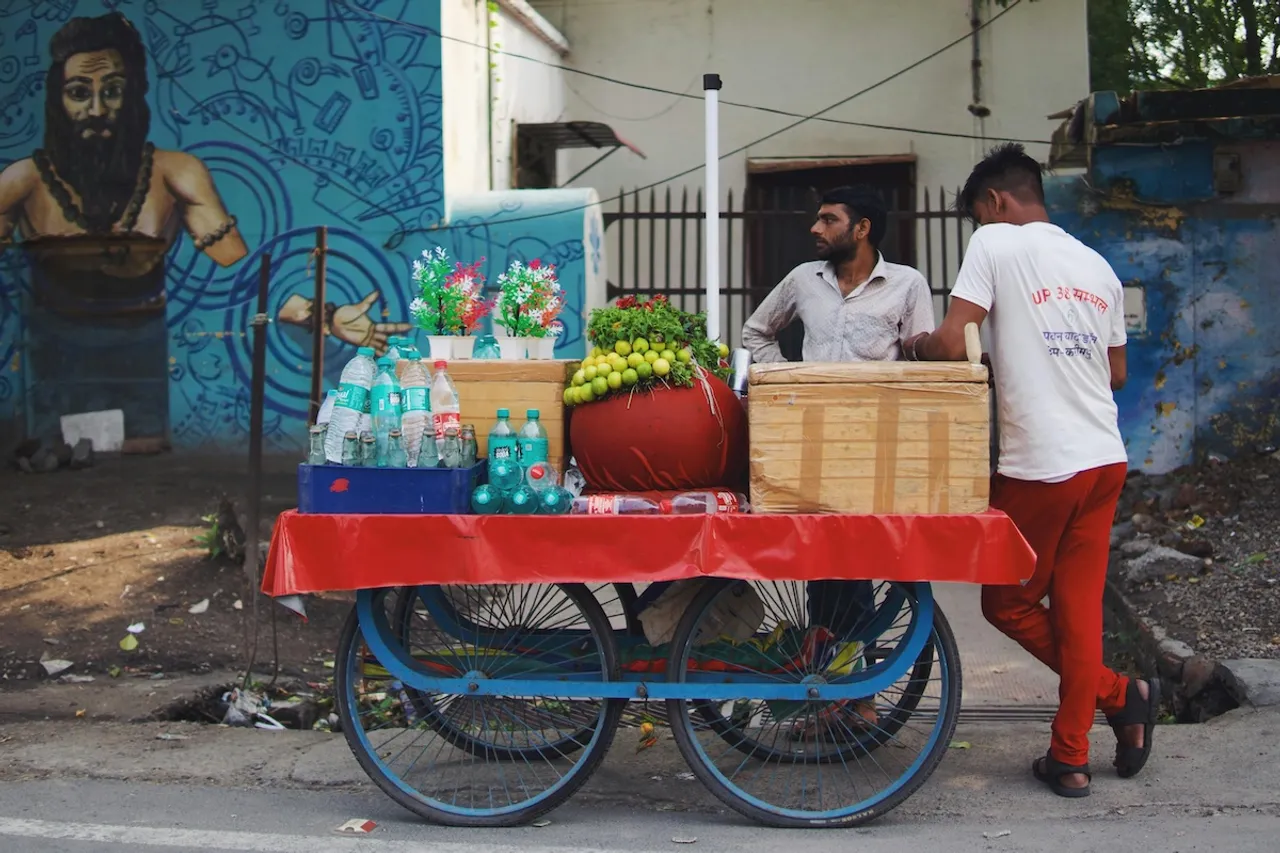
Oral IBD medications such as mesalazine and azathioprine are available at private retail pharmacies in most cities, though you will need a local prescription to obtain them. Biologics such as infliximab, adalimumab, vedolizumab, and ustekinumab are dispensed exclusively through hospital pharmacies and administered at specialist infusion centres. Do not attempt to source biologics over the counter.
Biologic therapies are dispensed through hospital pharmacies only
If you need emergency access to a biologic in India, go directly to the gastroenterology department of a major private hospital such as Apollo, Max, Manipal, or Fortis. Bring your Nomedic IPS and your specialist letter. The hospital's gastroenterology team will issue a local prescription and arrange dispensing through the in-house pharmacy. Availability outside Delhi, Mumbai, Bengaluru, Chennai, Hyderabad, and Kolkata is limited.
Finding an IBD specialist
IBD specialists in India are gastroenterologists (gastroenterologist / gastroenterology विशेषज्ञ). They practise primarily within the gastroenterology departments of major private multi-speciality hospitals. Walk-in appointments are generally not available at these centres; you should book in advance. Most senior gastroenterologists at major city hospitals are familiar with biologic regimens and international treatment protocols.[4] Identify the nearest IBD-treating hospital before you travel and save the gastroenterology department contact number offline.
Search for providers near your destination
Use Nomedic's provider search to find IBD specialists in India. Save the address and phone number offline before you travel.
If your cold chain breaks in India
A cold chain excursion does not automatically render your biologic unusable. Most biologics have defined temperature excursion tolerance windows documented in the product information leaflet. Check your specific product leaflet before assuming the medication is lost.
Managing day-to-day food, water, and infection risk in India
Food and waterborne infection is the primary day-to-day risk for IBD travellers in India. Travellers' diarrhoea attack rates in South Asia reach up to 80%, and if you're taking immunosuppressants your body's capacity to contain enteric infections is reduced.[7]
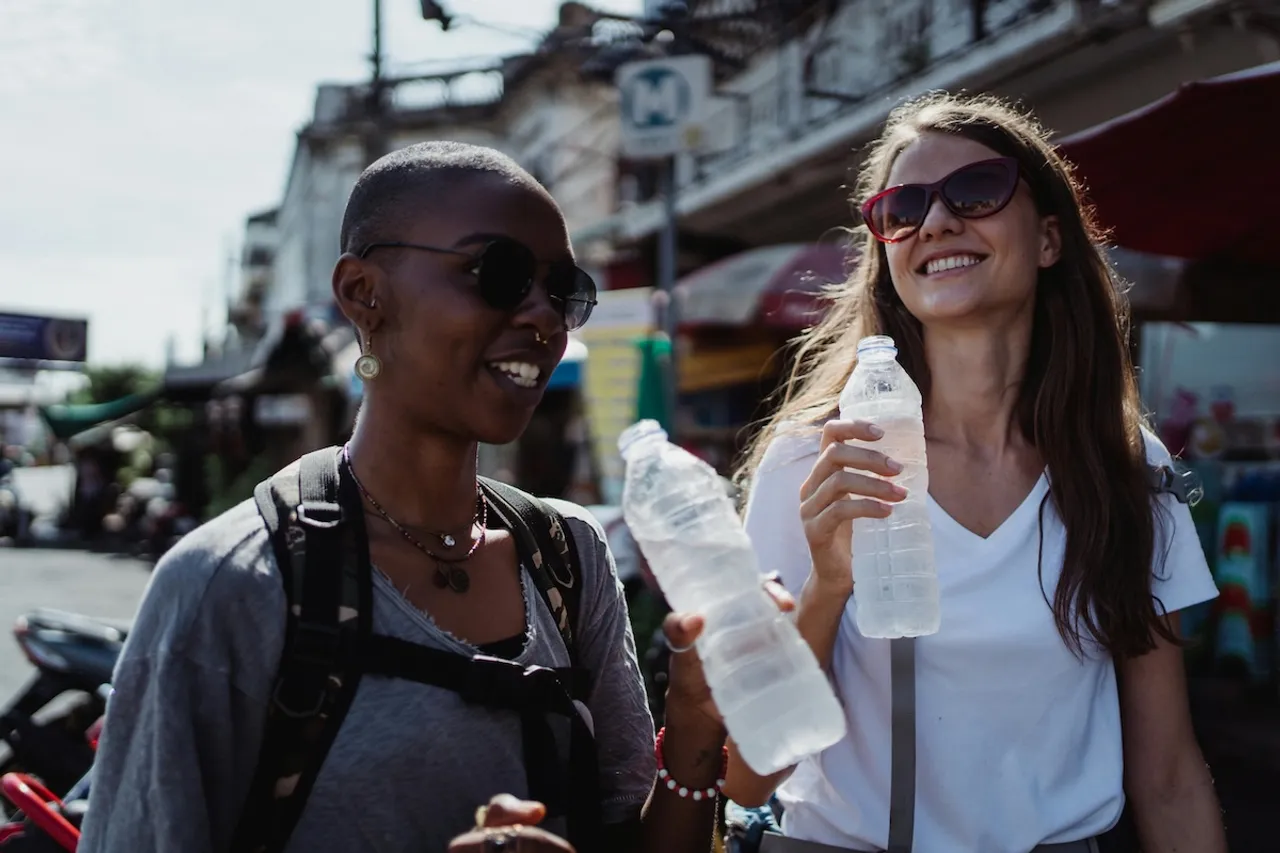
Drink only sealed bottled water or water boiled for at least one minute; avoid ice in drinks and do not brush your teeth with tap water.[9] Choose freshly cooked food served hot; avoid street food with raw vegetables, chutneys, or uncooked garnishes. Oral rehydration salts (ORS) are widely available at Apollo Pharmacy and MedPlus chains across India under brands such as Electral and Enerzal. In hot and humid regions, dehydration from even mild diarrhoea can be rapid; carry ORS sachets at all times. If you experience persistent diarrhoea lasting more than 48 hours, or any blood in your stool, seek medical attention immediately rather than self-managing.
Distinguishing a travellers' diarrhoea episode from an IBD flare
An acute diarrhoeal episode in India may be infectious rather than a true IBD flare. If diarrhoea starts within 24–48 hours of eating questionable food or water, an enteric infection is more likely. Do not increase your immunosuppressant or steroid dose without speaking to your specialist first, as this can worsen an infectious episode. If symptoms include fever above 38.5°C, blood in stool, or severe abdominal pain, or if symptoms persist beyond 72 hours despite oral rehydration, follow the guidance in the Emergency tab.
Hindi phrases for clinicians
Show your Nomedic IPS first – it removes the need to explain your diagnosis verbally. If verbal communication is needed:
“मुझे इंफ्लेमेटरी बाउल डिजीज (IBD) है।”
I have inflammatory bowel disease (IBD).
“मेरी बीमारी अभी बढ़ रही है।”
I am having a flare-up.
“मुझे गैस्ट्रोएंटेरोलॉजिस्ट से मिलना है।”
I need to see a gastroenterologist.
“मैं अपनी IBD के लिए मेसालाज़ीन / अज़ाथियोप्रीन लेता/लेती हूँ।”
I take mesalazine/azathioprine for my IBD.
“निकटतम गैस्ट्रोएंटेरोलॉजी केंद्र कहाँ है?”
Where is the nearest gastroenterology centre?
“मुझे अपनी दवाई की आपातकालीन आपूर्ति चाहिए।”
I need an emergency supply of my medication.
Insurance considerations
What to know about travel insurance
Many standard travel insurance policies exclude IBD as a pre-existing condition, meaning any flare-related emergency treatment is not covered unless you declare your condition and pay for a specific endorsement. Emergency hospitalisation in a private hospital in India can run from ₹50,000 ($536) to several hundred thousand rupees, and biologic infusions at private centres carry additional costs. A policy that explicitly covers IBD is essential.
What to look for in a policy
Not just 'pre-existing conditions covered'. Your condition should be named on the schedule.
Covers repatriation if local care is insufficient for a severe flare or surgical complication.
Covers emergency replacement if your biologic or immunosuppressant is lost, damaged, or delayed.
So someone can communicate with Indian clinicians in Hindi or another regional language on your behalf.
What to declare at application
Declare thoroughly. Incomplete disclosure can invalidate your entire policy, not just the IBD-related claim.
State whether you have Crohn's disease or ulcerative colitis and the location and extent of disease.
Use the INN alongside the brand name for every IBD medication you take.
Include whether the last flare required hospitalisation, steroids, or a treatment escalation.
Declare relevant comorbidities including anaemia, primary sclerosing cholangitis, arthropathy, or osteoporosis.
Your policy number and emergency assistance line, saved alongside your IPS and accessible offline.
India does not have a reciprocal healthcare agreement with EU or EEA countries, so an EHIC or GHIC card provides no entitlement to subsidised care in India. All foreign nationals access healthcare through private hospitals and pay out of pocket or through travel insurance. A comprehensive travel insurance policy that covers IBD is essential regardless of what cards you hold.
Emergency protocol
Severe flare or gastrointestinal emergency in India
A severe flare requiring hospitalisation may present as persistent bloody diarrhoea, fever above 38.5°C, severe abdominal pain, or significant rectal bleeding. Contact your travel insurer's 24-hour assistance line before going to hospital where possible; they can direct you to a network provider and authorise direct billing. In India, go to the nearest major private hospital with a gastroenterology department.
When you arrive — follow in order
Full clinical picture in seconds, no verbal explanation needed.
Hand your phone to the triage nurse:
मुझे IBD है और मेरी हालत गंभीर है। मुझे गैस्ट्रोएंटेरोलॉजिस्ट चाहिए।
I have IBD and my condition is serious. I need a gastroenterologist.
This confirms your established IBD diagnosis and rules out intestinal tuberculosis as a differential, preventing misdiagnosis and inappropriate treatment.
Alert the treating team to every immunosuppressant and biologic you take before any new drug is prescribed, to prevent dangerous interactions.
Calls and location
Ambulance (Ambulance): 102. Police (Police): 100. Universal/GSM emergency: 112. In major cities, private ambulance services operated by hospitals such as Apollo and Fortis are faster and better equipped than public services. If you can reach the hospital independently, go directly to the emergency department (Aapatkaalin Vibhag / आपातकालीन विभाग).
In hospital
If you are on azathioprine, mercaptopurine, methotrexate, or a biologic, tell the treating team immediately. Wound infections, post-procedural sepsis, and opportunistic infections carry higher risk on these medications. The clinical team must know your full IBD medication list before any procedure or antibiotic is prescribed.
After any emergency
Before you leave the hospital if possible.
Required for insurer reimbursement and continuity of care with your home gastroenterologist.
Open Nomedic and tap Share to generate a QR code any clinician can scan.
Frequently asked questions
Is IBD medication legal in India?
Yes, IBD medications are permitted in India, provided travellers bring a personal supply of no more than 90 days and keep all medications in their original labelled packaging with prescriptions in English. A doctor's letter is strongly recommended for biologics and immunosuppressants, and injectable medications must be declared at customs.
Can I bring my IBD medication into India?
India permits a personal supply of up to 90 days of prescription medication, provided you carry your original prescription and a doctor's letter in English.[2] Keep all medications in their original labelled packaging and declare injectable biologics at customs.
Do not post medication to India
Posting prescription medication to India without CDSCO commercial import authorisation is prohibited and packages are routinely seized.
Are IBD medications available in Indian pharmacies?
Oral medications such as mesalazine (Mesacol, Asacol, Pentasa-500) and azathioprine (Azoran, Imuran) are available at private retail pharmacies in major cities with a local Indian prescription. Biologics including infliximab, adalimumab, vedolizumab, and ustekinumab are dispensed exclusively through hospital pharmacies at specialist centres and are not available over the counter. Availability of biologics outside metro cities is limited.
What are the emergency numbers in India?
Ambulance
102
Police
100
Universal / GSM emergency
112
How can I communicate my IBD diagnosis in an emergency in India?
Show your Nomedic IPS first. If verbal communication is needed:
“मुझे इंफ्लेमेटरी बाउल डिजीज है।”
I have inflammatory bowel disease.
“मैं अज़ाथियोप्रीन / मेसालाज़ीन लेता/लेती हूँ।”
I take azathioprine/mesalazine.
How can I tell if diarrhoea in India is an IBD flare-up or a food infection?
Acute diarrhoea beginning within 24–72 hours of eating questionable food or water is more likely to be travellers' diarrhoea than a true IBD flare-up. Do not increase your immunosuppressant or steroid dose without speaking to your specialist, as doing so can worsen an infectious episode. Seek immediate emergency care if you have a fever above 38.5°C, blood in your stool, severe abdominal pain, or symptoms lasting beyond 72 hours.
Contact your specialist first
Before changing any IBD medication dose in India, call or message your home gastroenterologist. Describe the onset, stool characteristics, and any fever. They can guide you on whether this requires treatment escalation or oral rehydration and watchful waiting.
Do I need special travel insurance to visit India with IBD?
Yes. India has no reciprocal healthcare agreement with any country, and standard travel insurance policies frequently exclude IBD as a pre-existing condition. Emergency hospitalisation at a private hospital in India for a severe flare can cost ₹50,000 ($537) or more, and biologic infusions at private centres carry additional costs. You need a policy that explicitly names IBD as covered.
Declare thoroughly
Subtype, current medication, last episode, associated conditions. Incomplete disclosure invalidates the entire policy.
Sources
- [1] Central Drugs Standard Control Organisation (CDSCO) – Drug Import Regulations
- [2] India Baggage Rules – Travelling with Medicines to India (2026)
- [3] CDC Travelers' Health – India Destination Page
- [4] GetWellGo – Inflammatory Bowel Disease Treatment in India
- [5] Lybrate – Inflammatory Bowel Disease: Treatment and Cost in India
- [6] IATA – Medical Travel Guidelines for Passengers
- [7] ScienceDirect – Travel style is a major risk factor for diarrhoea in India
- [8] WHO – Disease Outbreak News: Nipah Virus Disease, India (2026)
- [9] CDC Yellow Book – Food and Water Precautions for Travelers
More guides in India
- CityMumbai Health Guide
- ConditionADHD in India: Methylphenidate Rules, Schedule X and Psychiatrist Access
- ConditionDiabetes in India: Insulin Import Rules, Heat and Pharmacy Access
- MedicationAdderall (Amphetamine/Dextroamphetamine) in India: NDPS Rules and Import Permit
- MedicationAdderall XR in India: NDPS Rules, Supply and Prescribing
- MedicationAtomoxetine in India: Schedule H, Strattera and Pharmacy Access
- MedicationConcerta in India: Schedule, Supply and Prescribers
- MedicationInsulin in India: Import Rules, Brands and Cold-Chain Plan
- MedicationMetformin in India: Glycomet, Import Rules and Pharmacy Access
- MedicationMethylphenidate in India: Schedule X, Import Rules and Brands
- MedicationMethylphenidate in India: Schedule X, Import Rules and Brands
- MedicationVyvanse in India: Not Approved, Import Ban and Alternatives