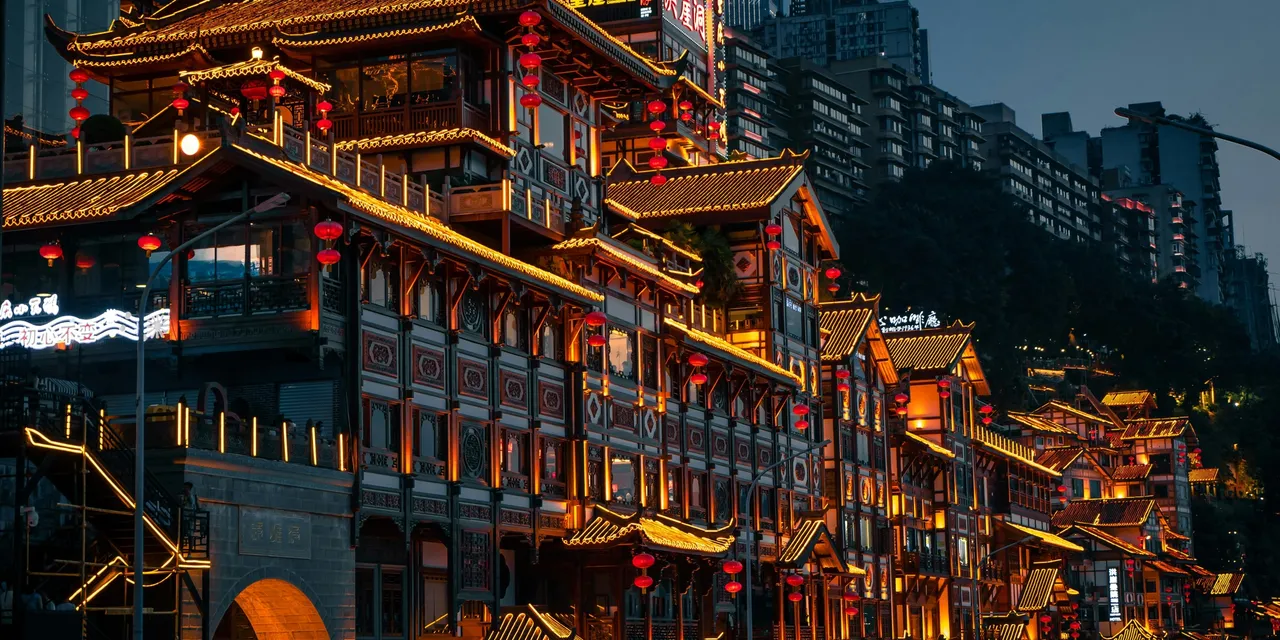
🇨🇳 China Healthcare Guide
Beijing, Shanghai, and Guangzhou have international-standard hospitals — United Family Healthcare and Raffles Medical are the most commonly used by visitors — but the gap between these tier-one cities and China's interior provinces is vast, with rural Guizhou, Yunnan, and western Tibet having only basic facilities. The healthcare system operates almost entirely in Mandarin, and even in major hospitals English-speaking staff are the exception, so carrying your medical summary saved and accessible and medication list in simplified Chinese is one of the most practical preparations you can make.
Quick facts
- Emergency number: 120
- Healthcare system: mixed
- Average GP visit: $20 USD
- EHIC/GHIC accepted: No
- Language barrier: high
Healthcare overview
China’s healthcare varies enormously between cities and regions. Beijing (Peking Union), Shanghai (Huashan, Ruijin), and Guangzhou have world-class public hospitals, while tier-2 cities like Chengdu, Hangzhou, and Wuhan have strong provincial facilities. International clinics in Beijing and Shanghai (Beijing United Family, Parkway Health) cater to foreigners with English-speaking staff, at significantly higher prices. Rural western China (Tibet, Qinghai, Xinjiang) has limited access. The language barrier at public hospitals is the single biggest practical challenge for visitors.
Language barrier at public hospitals
Public hospitals operate almost entirely in Mandarin. Having your health summary available in Chinese is the most practical step you can take before any hospital visit.
International clinics vs public hospitals
International clinics in Beijing and Shanghai charge 5–10x public hospital rates. Public hospitals are cheaper but require Chinese-language navigation.
Recommended
- Hepatitis A
- Hepatitis B
- Typhoid
Prescriptions and pharmacies
Chinese pharmacies are abundant in every city, with medications often available without prescription at low prices. Traditional Chinese medicine (TCM) pharmacies coexist alongside Western pharmacies. Brand names follow Chinese conventions and are unrecognisable to most foreign visitors. Having your medication list accessible in Chinese (with both generic name and Chinese trade name if known) is the most effective way to get the right product.
Chinese-language medication list
Chinese pharmacists rarely speak English. A medication list translated into Chinese characters, including dosage, is the fastest way to get what you need.
Tips for travellers
Beijing, Shanghai, and Guangzhou provide comprehensive specialist care at international standards, with Peking Union Medical College Hospital among Asia’s finest. Specialist access at public hospitals requires navigating the registration (guahao) system, which is increasingly app-based (WeChat or Alipay). Having your treatment history accessible in Chinese helps specialists review your case. International clinics bypass the guahao system but at premium cost.
Guahao registration system
Chinese public hospitals use an app-based registration system (guahao). International clinics bypass this but charge significantly more.
Health guides for China
- CityShanghai Health Guide
- ConditionADHD in China: Amphetamine Ban, Methylphenidate Rules and Psychiatrist Access
- ConditionDiabetes in China: Insulin Import Rules, Heat Risk and Pharmacy Access
- MedicationAdderall in China: Amphetamine Ban, Legal Risk and ADHD Plan
- MedicationMelatonin in China: Import Rules, Availability and Storage
- MedicationRitalin in China: Controls, Supply and Prescriber Rules