10 Things Every Traveller With IBD Needs to Sort Before Leaving Home
Living with IBD? Travelling with Crohn's or colitis is absolutely doable. These 10 practical steps cover everything from biologics to blood clots.
Travelling with IBD: 10 tips
Inflammatory Bowel Disease (IBD) does not have to shrink your world. With the right preparation, most people with Crohn's disease or ulcerative colitis can travel extensively and without significant limitations. The difference between a stressful trip and a good one usually comes down to what you sorted out before you left.
The two main risks you face as an IBD traveller are a disease flare-up triggered by infection, dietary change, stress, or missed medication, and acquiring infectious diseases that may hit harder if you're on immunosuppressive therapy. Both are manageable. If you're travelling with IBD, these 10 tips will give you the best chance of dealing successfully with your condition.
Medical disclaimer: This article provides general information for travellers living with IBD and does not constitute medical advice. Medication regulations, vaccination recommendations, and clinical guidance change. Always consult your IBD team, gastroenterologist, or a qualified travel medicine clinician before travelling with a chronic condition. In a medical emergency abroad, contact local emergency services immediately.
1. Confirm your IBD is stable before you book
You're more likely to stay well on your trip if your Crohn's or colitis has been under control for at least three months before you travel. If it hasn't, that's not a reason to postpone indefinitely, but it's a sensible benchmark to discuss with your IBD team. If you're mid-flare, some destinations are a poor choice for the moment, rather than for ever.
2. See your IBD team and a travel clinic at least six weeks before departure
Book both appointments at the same time. Your IBD team will update your flare plan and advise on vaccination timing relative to your current medication. The travel clinic handles destination-specific risks: malaria, typhoid, hepatitis A, and any others relevant to your destination. Some vaccinations should not be given while you're on certain immunosuppressants, so the sequencing matters.

If your trip involves any routine blood tests, try to schedule them before you leave, rather than during your travels. Discuss this with your prescribing clinician so nothing falls through the gaps.
3. Get the right paperwork and carry it everywhere
A letter from your prescribing doctor is not optional; it's your first line of defence at every border and security checkpoint. It should confirm your name, travel itinerary, the names of all prescribed drugs, their dosages, and the total quantities you're carrying.
Alongside that letter, carry: a copy of your written prescription with generic drug names listed, your written flare plan, and any steroid card or medical alert card you've been issued. If you have an ostomy, include documentation of your supplies. Keep a digital copy in your phone as a backup.
Storing your full medical summary in an International Patient Summary (IPS) on Nomedic means any clinician you see abroad can access the same standardised information, even if the emergency room doctor does not speak your language.
4. Check medication import rules for every country on your itinerary
Different countries have different rules about which medicines you can bring in and how much you can carry. This applies to both prescription and over-the-counter medications. Carrying a medication that is restricted or prohibited in your destination country can result in confiscation, fines, or detention[3].
Check with the embassy of each country you're entering, including transit countries where you have a layover. Pay attention to codeine-containing pain relief, which is restricted in several popular destinations. If you take a controlled substance, check whether you need a special licence for quantities exceeding a 30-day supply[3].
5. Pack more medication than you think you need
Always take enough medication for your entire trip plus several days extra to cover delays. Keep everything in your carry-on bag, not your checked luggage. Lost hold baggage is an inconvenience for most travellers and a medical problem for you[2].
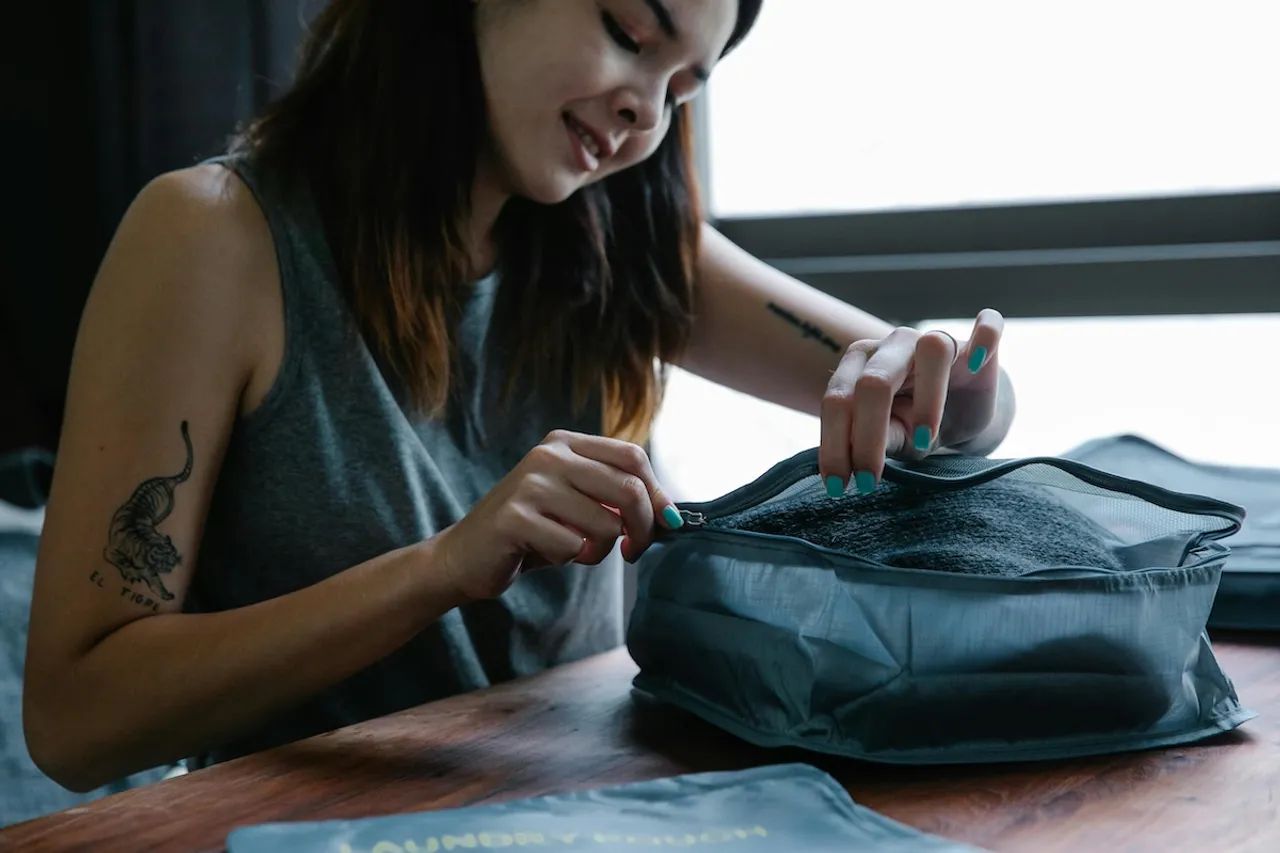
Keep all medications in their original, labelled containers. This makes identification straightforward at customs and at any pharmacy or hospital you visit. If you regularly travel for extended periods, speak to your IBD team about switching to a formulation that does not require refrigeration or has longer intervals between doses.
6. Understand cold chain requirements for your biologic
Biologic medications require constant refrigeration, with a recommended cold chain range of 2–8°C. Storing your biologic outside this range risks reducing its effectiveness or triggering anti-drug antibodies, which can undermine your treatment long-term[5].
Adalimumab (Humira and its biosimilars including Amgevita, Hyrimoz, and Imraldi) can be stored at up to 25°C for up to 14 days when travelling, but once removed from the fridge it cannot be returned. Note the date on the carton and protect it from light.[6]
For longer trips or warm-weather destinations, invest in a validated travel cooling wallet such as a FRÍO pouch or a LifeinaBox portable fridge. Confirm your specific biologic's room-temperature tolerance with your IBD team before departure.
If you receive intravenous infliximab (Remicade) or vedolizumab (Entyvio), travel is possible but requires advance coordination. Contact an IBD centre at your destination before you leave home and confirm that funding and facilities are in place for your infusion.
7. Build a travel emergency kit
An IBD-specific emergency kit takes about ten minutes to assemble and can prevent a wasted day in a foreign city. Include the following:
- Loperamide (Imodium) for diarrhoea relief; used with caution as it can mask flare symptoms
- Oral rehydration salts (Dioralyte or equivalent) for fluid and electrolyte replacement
- An anti-spasmodic such as hyoscine butylbromide (Buscopan) for abdominal cramping
- Paracetamol for fever and pain, noting that codeine-containing formulations may be restricted at your destination
- Antibiotic prescribed by your doctor for travellers' diarrhoea, such as ciprofloxacin, if appropriate for your situation
- Your agreed rescue steroid course if your IBD team has prescribed one as part of your flare plan
8. Know your DVT risk and act on it
People living with Crohn's or colitis carry a higher baseline risk of blood clots than the general population, and that risk increases further during a flare or within four weeks of bowel surgery[9].
Long-distance air travel may increase the overall risk of venous thromboembolism (VTE) by 2- to 4-fold compared with staying at home, and the risk increases further when additional risk factors are present. For IBD patients on immunosuppressants, this combination warrants a specific conversation with your IBD team before any long-haul flight.[8]

Practical steps include staying hydrated, moving your legs and ankles regularly during the flight, wearing below-knee graduated compression stockings, and choosing an aisle seat. If your risk is elevated, your clinician may recommend low-molecular-weight heparin prophylaxis.
9. Plan for toilet access and tell your travel companions
Rapid toilet access is a legitimate medical need, and treating it as one removes embarrassment from the equation. Several organisations produce translated 'Can't Wait' cards that explain your condition to staff in the local language. The European Federation of Crohn's & Colitis Associations (EFCCA) and local national IBD charities provide these for most major languages[7].
If possible, choose accommodation with a private bathroom or at minimum a bathroom on the same floor. Tell your travel companions, tour leader, or airline staff what you may need. You don't have to share your diagnosis with everyone, but having one person who understands that you're living with IBD is a practical insurance.
10. Sort proper travel insurance
Standard travel insurance policies often exclude pre-existing conditions unless you declare them at the time of purchase. Declare your IBD, any related conditions, and all medications. A policy that excludes your IBD is not travel insurance for you – it's travel insurance with a significant gap[1].
Some insurers specialise in cover for people with inflammatory bowel disease. Check that your policy covers emergency gastroenterology consultations, biologic medication replacement if yours is lost or damaged, and medical repatriation if needed. Confirm whether your policy uses direct billing or requires you to pay upfront and claim reimbursement.
A few things that often catch IBD travellers off guard
- ·Sun sensitivity on azathioprine or mercaptopurine Medications such as azathioprine and mercaptopurine increase photosensitivity, raising the risk of sunburn and long-term skin damage. Use high-SPF sunscreen every day regardless of cloud cover and avoid peak sun hours between 11 am and 3 pm[9]
- ·Time zone changes and dosing schedules If you cross multiple time zones, your dosing interval matters more than local clock time. Ask your prescribing clinician or pharmacist exactly how to handle the transition before you fly, not on the plane.
- ·Food and water abroad Travellers' diarrhoea is a risk for anyone, but a gastrointestinal infection in an IBD patient on immunosuppression can escalate fast. Drink only bottled or purified water in higher-risk destinations, avoid raw or undercooked food, and carry oral rehydration salts to use at the first sign of diarrhoea[4].
- ·Stress and itinerary pacing Stress is a documented trigger for IBD flares – an overpacked itinerary can undo a month of careful preparation. Build in rest days, especially after long travel days or time zone crossings. Travelling at your best time of day, if you have one, makes a real difference.
Knowing where to get IBD help when travelling abroad
Before you travel, identify the IBD centre or gastroenterology department closest to your destination. IBD Passport maintains a global directory of IBD centres with contact details and country-specific healthcare access information[1]. Your IBD specialist may also be able to recommend a colleague in the city you're visiting.
Make sure you know the local emergency number at your destination, not just the one from home. Look up the nearest hospital with an emergency department beforehand. If you use Nomedic, your International Patient Summary includes your diagnosis, current medications, allergies, and relevant medical history in a format any clinician anywhere can read quickly.
Frequently asked questions
Can I travel with IBD if I'm currently having a flare?
Travelling during an active flare carries higher risk. You're more likely to stay well if your IBD has been stable for at least three months before departure. That said, IBD can be unpredictable, and some people choose to travel in remission with a written flare plan agreed in advance with their IBD team. Discuss your specific situation with your clinician before booking.
How do I keep my biologic medication cold while travelling?
Most biologic medications for IBD require storage between 2–8°C. When travelling, validated cooling wallets such as FRÍO pouches or portable medical fridges such as LifeinaBox maintain temperature without mains electricity. Check your specific medication's room-temperature tolerance with your IBD team. Adalimumab (Humira and biosimilars) can be kept at up to 25°C for up to 14 days, but once removed from the fridge it cannot be returned. Do not freeze any biologic.
Do I need a letter from my doctor to fly with IBD medications?
Yes. A typed letter from your prescribing clinician is strongly advised for all international travel with IBD medications. It should list your name, diagnosis, all medications by generic and brand name, dosages, and quantities carried. This letter is essential if you use injectable therapies, carry liquid medications over 100ml, or are entering countries with strict import rules such as Japan or the United Arab Emirates.
What is the DVT risk for IBD patients on long flights?
People with IBD have a higher baseline risk of venous thromboembolism (VTE) than the general population. Furthermore, long-distance air travel may increase VTE risk 2- to 4-fold, and the risk is higher still during a flare or shortly after bowel surgery. Practical measures include graduated compression stockings, regular in-flight movement, adequate hydration, and choosing an aisle seat. If your risk is elevated, your clinician may recommend low-molecular-weight heparin prophylaxis before a long-haul flight.
How do I find a gastroenterologist or IBD centre abroad?
IBD Passport maintains a global directory of IBD centres with contact details, vaccination advice, and country-specific healthcare access information. Your own IBD specialist may also be able to recommend a colleague at your destination. Carrying your medical history in a standardised International Patient Summary (IPS) on Nomedic makes it easier for any gastroenterology team abroad to understand your case quickly.
Does travel insurance cover IBD?
Standard travel insurance often excludes pre-existing conditions unless declared at purchase. You must declare your IBD and all related medications when taking out a policy. Some insurers specialise in cover for inflammatory bowel disease. Confirm that your policy covers emergency gastroenterology consultations, biologic medication replacement, and medical repatriation. A policy with an IBD exclusion does not provide meaningful cover for the risks you actually face.
Are IBD biologics and immunosuppressants legal to bring into other countries?
Yes. The biologics and immunosuppressants used in IBD are not controlled substances, so the question is quantity and documentation rather than legality. Countries differ on what you may bring in and how much, and those rules cover over-the-counter medicines as well as prescriptions[3]. Check with the embassy of every country you enter, including transit countries where you only have a layover, and pay particular attention to codeine-containing pain relief, which is restricted in several destinations. Keep everything in its original labelled container so identification is straightforward at customs and at any pharmacy or hospital you end up using.
Sources
- [1] IBD Passport – Travel and IBD
- [2] IBD Passport – Travelling Abroad with IBD Medication
- [3] CDC – Traveling Abroad with Medicine
- [4] Michigan Medicine – Traveling with IBD: 4 Key Ways to Prepare
- [5] MyCrohnsAndColitisTeam – Traveling with Biologics: Tips for Self-Injection on the Road
- [6] Drugs.com – How Long Can Humira Be Out of the Fridge?
- [7] Crohn's and Colitis UK – Travelling with Crohn's or Colitis
- [8] CDC Yellow Book – Deep Vein Thrombosis and Pulmonary Embolism
- [9] NIH PubMed Central – Inflammatory Bowel Disease in Travelers
Topics
Related articles
- ArticleAntivirals at the Border: What Customs Officers Don't Tell You About Valaciclovir, Acyclovir, and Oseltamivir
- ArticleBlood Pressure Medication Abroad: Brand Swaps, Refill Rules, and Heat
- ArticleThe Cold Chain Problem: How to Travel with Insulin, Biologics and Refrigerated Medication
- ArticleBiologics Don't Forgive a Broken Cold Chain: What Travellers on Adalimumab and Infliximab Must Know
- ArticleHepatitis B and C Antivirals Abroad: Where Your Prescription Survives the Border
- ArticleWhat Happens If You Have a Medical Emergency Abroad